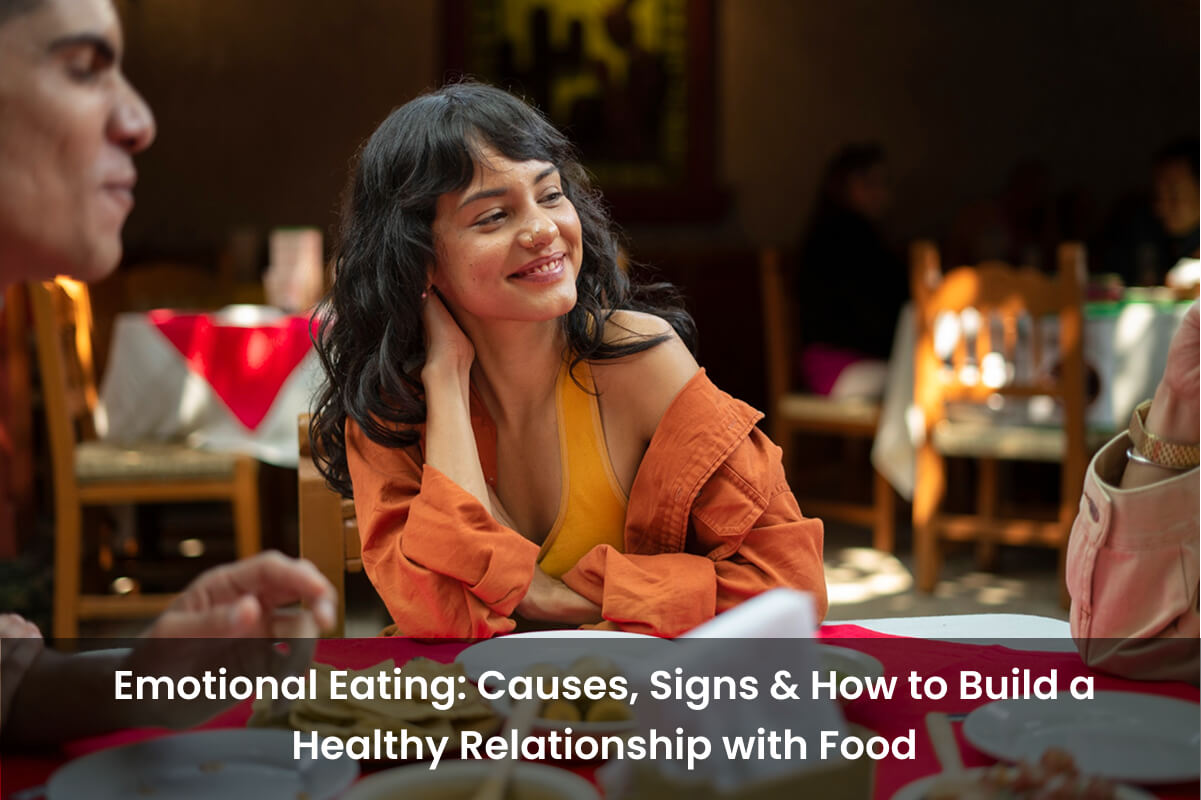
What Is Emotional Eating?
People eat food when they experience stress or sadness or exhaustion or the need for emotional support. The fast-paced modern existence creates continuous stress for people which leads to increased emotional eating, thus requiring research on emotional eating links to human emotional experiences.
Definition of Emotional Eating
People practice emotional eating when they use food to handle their emotional state instead of showing actual hunger signals. People experience a strong desire to consume comfort foods during their periods of stress or sadness or boredom or anxiety because they find temporary emotional relief through eating.
Difference Between Emotional and Habitual Eating
Emotional eating occurs when someone eats because of their current emotions, whereas habitual eating refers to eating patterns which people establish through their daily activities. The need to eat chips during evening television shows represents a daily pattern, but stress-eating after a long workday shows emotional eating behavior.
Why Food Becomes a Coping Mechanism
People experience short-term comfort from food-based relaxation which provides them immediate relief that lasts only a brief time. People have created an automatic connection between their food intake and emotional relief which they use to handle difficult situations.
Emotional vs Conscious Eating
People who experience emotional eating will eat food because of their current emotional state and their current food desires. Through conscious eating, people learn to control their eating habits while they monitor their body signals and their actual physical sensations.
Prevalence in Modern Lifestyle
The modern lifestyle creates multiple stress factors together with sleep deprivation and mental pressures, which result in people developing emotional eating patterns. People find it easier to use food for emotional support because they can quickly obtain fast food and comfort snacks.
Emotional Eating vs Physical Hunger
People tend to mistake their emotions for actual physical hunger when they experience stress or intense pressure. You need to recognize the distinction between your body signals to handle your body needs through mindful eating instead of following your habitual eating patterns.
Characteristics of Physical Hunger
Physical hunger develops through a gradual process which begins with stomach growls and brings about low energy levels and difficulties with concentration. The body achieves satisfaction after consuming a nutritious meal.
Characteristics of Emotional Hunger
Emotional hunger rises unexpectedly when people experience emotional states which include stress and boredom and sadness and anxiety. The body demands comfort food instead of actual nourishment because of this strong desire.
Speed of Hunger Onset
Physical hunger develops slowly over time as the body needs fuel. People experience emotional hunger which arrives suddenly and creates an intense need that they find difficult to control.
Types of Food Cravings
People who experience physical hunger will find every dish to be delicious because their body requires basic energy. People who eat for emotional reasons tend to desire specific comfort foods which include sweets and chips and fast food.
Feeling After Eating
Eating to satisfy physical hunger leads to comfortable and energized and satisfied feelings. People who eat for emotional reasons find short-term relief but later experience feelings of guilt and regret and frustration.
Comparison Table
| Factor | Emotional Eating | Physical Hunger |
|---|---|---|
| Trigger | Emotions | Body needs |
| Onset | Sudden | Gradual |
| Food Choice | Specific cravings | Flexible |
| Satisfaction | Temporary | Lasting |
| Feeling After | Guilt | Satisfaction |
Common Causes of Emotional Eating
People eat food without feeling hunger when their emotional state needs betterment. The combination of stress and loneliness and habitual eating patterns and genuine boredom leads people to consume food without realizing their behavior at first.
Stress and Anxiety
People find comfort in snacks after they spend extensive time at work or face challenging situations. People use food to escape their mental fatigue and anxiety and stress situations.
Boredom and Lack of Engagement
People eat when they want to fill the time during boring periods. People use fridge opening as an activity which they do without feeling any actual need for food.
Emotional Triggers (Sadness, Loneliness)
Sadness and loneliness create a need for comfort which food provides temporary relief to people who experience these feelings. The emotions might get temporary relief through this method yet people will still experience their emotional state.
Habitual Patterns
People develop emotional eating habits through their daily activities which they perform without conscious thought. People establish dining patterns when they start eating chips during movies or they ask for dessert after their business meetings.
Social and Environmental Influences
Social events and food advertisements continuously interrupt people which makes it hard for them to manage their emotional eating. People consume food because they observe others around them eating it.
Signs and Symptoms of Emotional Eating
The process of emotional eating starts with people who eat their food without others knowing about it, and then this behavior develops into a pattern which they do not see until it becomes their routine. People who want to understand why someone uses food as an emotional coping mechanism instead of eating for hunger need to practice observing specific behavior patterns.
- Eating without physical hunger — One of the most common signs is eating even when the body doesn’t actually need food. People snack after their meals because they want to eat something while they experience feelings of stress and discomfort and restlessness.
- Craving specific comfort foods — People who experience emotional hunger need chocolate or pizza or fries or sweets to satisfy their strong food cravings. People who experience cravings from their emotional requirements have different needs than their nutritional needs.
- Feeling guilty after eating — People who experience emotional eating will feel guilty about their binge eating behavior after the episode ends. People who seek temporary discomfort relief experience fast relief which leads to their feelings of frustration and disappointment.
- Eating in response to emotions — People use food as a way to cope with their feelings which include sadness and anger and loneliness and stress and boredom. People use food as their way to express emotions instead of facing their actual feelings.
- Difficulty controlling portion sizes — People experience difficulty managing their food portions because they struggle with emotional eating. People often continue eating past fullness because the goal is emotional comfort, not satisfying hunger.
Psychological Triggers Behind Emotional Eating
People emotional eat because their psychological issues and emotional needs create their eating patterns. People who understand their triggers which lead them to seek food during challenging times will develop better self-awareness.
Emotional Regulation Difficulties
Some individuals face challenges because they cannot manage their emotional states through healthy methods. People use eating as a short-term strategy to block their experience of anger and stress and sadness and frustration.
Reward and Dopamine Response
Comfort foods activate the brain’s reward system which leads to a momentary pleasurable experience. People experience this positive response which drives them to eat the same foods whenever they experience emotional distress.
Childhood Food Associations
People develop emotional eating patterns during their childhood through their relationships with food which provides them comfort. Adults who receive sweets as rewards for dealing with bad days create emotional connections that last throughout their lives.
Stress Hormones (Cortisol)
When stress builds up, the body releases more cortisol, which acts as a hormone that makes people feel hungrier while it produces cravings for comfort food. During emotionally exhausting days, many people naturally reach for sweets, fried snacks, or fast food because it feels soothing in the moment.
Negative Self-Talk and Body Image
People who experience insecure moments and loneliness and low confidence begin to see food as a comforting solution which only provides them temporary relief. The need to do better drives people to work harder, which leads them to push their boundaries until they reach their breaking point.
Impact of Emotional Eating on Physical and Mental Health
The pattern of emotional eating provides temporary relief which eventually leads to negative effects on both physical health and emotional health. The process of time passing will lead to changes in energy levels and eating patterns and confidence and overall wellness.
Weight Gain and Obesity Risk
People who use emotional eating as their primary response to stress will consume excessive amounts of high-calorie foods during their emotional distress episodes. The development of this behavior into a permanent pattern will lead to gradual weight gain and an increased probability of developing obesity.
Digestive Issues
Rapid eating, excessive food intake, or high junk food consumption will create digestive system strain. Following emotional eating episodes, many people develop symptoms such as bloating and stomach discomfort and irregular digestion.
Impact on Mental Health
People who use emotional eating as their coping mechanism will experience temporary relief which leads to feelings of guilt and frustration. The pattern of behavior develops into a stress increase which leads to self-doubt and negative impacts on emotional health.
Energy Fluctuations
People who consume sugary snacks and processed foods will experience an instant energy surge which disappears after a brief duration. People will experience exhaustion and lethargy and emotional exhaustion during the latter part of the day.
Long-Term Lifestyle Disorders
People who develop emotional eating patterns that persist throughout their lives will face increased chances of developing conditions such as diabetes and high blood pressure and sleep disorders and heart disease. Daily minor actions will develop into permanent health issues through gradual progression.
The Science Behind Emotional Eating
Emotional eating occurs because people experience emotions which trigger responses from their brain and their body through their established habits. People use comfort food during their emotional moments because their body and mind create that comforting experience.
Brain Reward System
The reward system of the brain activates when humans eat foods that contain high levels of sugar and salt and fat. People satisfy their emotional needs through comfort foods which they eat during periods of stress and emotional distress.
Hormonal Influence (Cortisol, Insulin)
The presence of cortisol together with other stress hormones activates food cravings which specifically target unhealthy snack foods. Insulin level changes will influence hunger patterns and energy expenditure and food consumption patterns.
Role of Neurotransmitters
Dopamine and serotonin function as brain chemicals which create a major effect on the development of human emotions and mood patterns. People who experience low or drained emotional energy will develop cravings for specific foods because those foods create temporary mood enhancements.
Habit Loop Formation
People who seek food as their primary source of comfort will develop a brain-based eating pattern through repeated behavior. People develop an automatic eating response, which happens without actual hunger, because their emotions trigger it.
Emotional Conditioning
From their early childhood, people develop food associations that link food to comfort and celebration and love and stress. The emotional connections people form with food will persist throughout their lives and shape their daily eating behaviors.
How to Identify Your Emotional Eating Patterns
The process of understanding emotional eating requires people to begin observing their food-related habits and emotional responses which occur throughout the day. People who learn to recognize their established patterns will discover that making better health choices and practicing mindful eating becomes simpler for them.
Tracking Food and Mood
The process of writing down your meals together with your emotional state will show you how your emotional eating patterns develop throughout the years. People experience increased food cravings particularly for certain items when they face days filled with stress or isolation or overwhelming challenges.
Identifying Triggers
People who practice emotional eating typically do so in response to particular circumstances and feelings and their established daily patterns. Work-related stress and arguments and boredom and midnight solitude all function as hidden triggers which lead to excessive eating.
Recognizing Patterns
People who observe their ongoing behavior patterns will discover which eating patterns lead to their health problems. People who snack while watching TV and those who consume sweets after their hardest moments show emotional eating tendencies.
Self-Reflection Techniques
People who pause to ask themselves about their eating desires will develop stronger emotional understanding. The question “Am I truly hungry or just emotionally upset?” functions as a method to stop automatic behavior patterns.
Awareness of Eating Behavior
People who eat rapidly and snack without thought and consume food without hunger display typical signs of emotional eating. People who practice being present at their meals will gain better understanding of how food affects them.
Practical Strategies to Overcome Emotional Eating
The process of stopping emotional eating requires people to establish healthy eating patterns while still being able to enjoy their preferred meals. The process requires you to establish a better relationship with food while developing your emotional comprehension skills and learning effective self-nurturing methods.
Developing Alternative Coping Mechanisms
People find food to be a source of comfort during their most difficult moments. People can achieve emotional relief through various activities which include walking, talking with others, listening to music, writing in journals, and spending time in solitude.
Practicing Mindful Eating
People use comfort food as their primary coping mechanism because stress happens to be one of their main reasons. People can reduce their emotional distress through daily activities which include sufficient sleep and consistent exercise and deep breathing exercises and brief daytime rest periods.
Managing Stress Effectively
People eat for emotional reasons which become stronger during times of stress that include work-related demands and mental tiredness. The people who wish to reduce their emotional suffering should establish better sleep patterns and engage in regular physical activity and practice deep breathing techniques and take brief relaxation breaks during their workday.
Creating Healthy Eating Routines
The body develops strong cravings for quick energy when people skip meals and eat their food in an unstructured way. People who eat their meals at scheduled times especially when they have balanced diets will experience natural hunger control which prevents them from snacking later in the day.
Building Emotional Awareness
People tend to start eating their food before they actually know their true emotional state. People who experience stress or sadness or boredom or frustration should take a moment to recognize their emotions which will help them develop better ways to respond without using food as their comfort method.
Building a Healthy Relationship with Food
A healthy relationship with food exists when people understand how to eat without applying strict dietary rules from their daily lives. People must learn how to eat in a balanced way while they develop body awareness and they must eliminate the stress which typically comes with their eating patterns.
Removing Food Guilt
People develop emotional eating patterns which create a cycle of stress eating because they feel guilty about their food choices. People who learn to enjoy food without feeling ashamed will develop positive eating habits which create balanced eating patterns.
Understanding Hunger Signals
The body uses signals to indicate when it requires food and when it has reached satisfaction. People can develop better eating habits when they observe their actual hunger and their feelings of fullness and their energy levels.
Balanced Approach to Eating
People who want to maintain healthy eating habits can do so by making healthy food choices while enjoying their preferred meals. The balanced approach enables people to experience dining pleasure while their meals provide them with health benefits.
Avoiding Restrictive Dieting
People who follow very strict diets experience both frustration and strong food cravings which lead them to eat excessively later on. People who permit themselves to have any food during meals develop healthier eating patterns which they can sustain throughout their lives.
Focusing on Nourishment
Food provides more than calories because it helps people maintain their physical and emotional health. People who select meals to deliver energy and strength and satisfaction will establish a healthier relationship with their food.
Role of Diet and Nutrition in Managing Emotional Eating
Balanced Meals and Blood Sugar Control
The combination of balanced meals with their ability to control blood sugar levels creates a system which helps treat emotional snacking problems. When people skip meals or they consume excessive sugar their body experiences energetic downturns which lead to stronger food desires throughout the afternoon. The consumption of balanced meals results in stable blood sugar levels which help to decrease emotional fluctuations and their subsequent food cravings.
Importance of Protein and Fiber
High-protein and high-fiber foods keep people satisfied throughout the day because they produce lasting fullness. The body experiences hunger spikes at a slower rate which protects against developing continuous food cravings and excessive eating.
Avoiding Highly Processed Foods
Highly processed foods provide temporary comfort to people who consume them yet these items will trigger rapid subsequent hunger together with diminished energy. People who consume excessive amounts of additional sugar together with processed snacks will experience greater difficulties controlling their emotional eating patterns.
Hydration and Its Role
People don’t realize that their body gets thirsty which feels like a hunger cue. The body sends dehydration signals through tiredness and empty feelings which people misinterpret as hunger. Hydration throughout the day increases focus and maintains energy while decreasing impulse food consumption.
Nutrient-Dense Food Choices
Vitamins and minerals together with natural nutrients from foods create a balanced state which supports both physical health and mental well-being. People who eat meals with fruits and vegetables and whole grains and lean proteins and healthy fats will feel more satisfied and experience better energy levels and emotional well-being than those who eat processed foods.
Lifestyle Changes That Support Healthy Eating Behavior
Your daily eating patterns depend on your stress levels and sleep patterns and your complete lifestyle choices. The implementation of small daily adjustments enables individuals to control their food cravings while achieving emotional stability and developing better eating patterns.
Regular Physical Activity
Physical activity enables both mental and physical health improvements through its continuous practice. People can lessen their stress levels and enhance their mood through activities which include walking and stretching and dancing and exercising.
Sleep and Recovery
People who experience sleep deprivation develop cravings for sugary and high-calorie foods because their bodies lack proper energy levels. The body needs sufficient sleep to improve emotional stability which helps control energy levels and daytime appetite.
Reducing Screen Time
People eat mindlessly when they devote time to scrolling through their phones and watching TV and using screens for long periods. People who reduce their screen time gain improved skills for identifying their eating habits and recognizing their body signals of hunger.
Building Positive Daily Habits
The implementation of simple daily routines creates an extensive transformation which develops through successive days. The combination of regular meal times and proper hydration and scheduled breaks and a balanced schedule leads to automatic improvement of eating patterns.
Social Support and Community
Making healthy changes becomes easier for people when they receive support from others. A person with a caring friend and an understanding family member and a supportive community can receive help during tough times because they will be reminded of their ability to face challenges with others.
When to Seek Professional Help
The first method for solving emotional eating problems requires people to develop self-awareness and make changes to their daily routines. The eating patterns of an individual create a situation which needs professional help because it affects their emotional state and their ability to work and their physical well-being.
- Persistent emotional eating patterns — People who experience emotional eating for an extended period should seek expert help to identify their hidden emotional triggers. People who want to eliminate ongoing patterns need to spend more time on their battle than just relying on willpower.
- Signs of eating disorders — People who experience extreme food-related guilt and engage in binge eating and secret eating and have an excessive preoccupation with weight and food, show early signs of developing an eating disorder. The initial assistance which persons need during their recovery process makes their recovery process easier and more effective.
- Difficulty managing emotions — People who experience stress and anxiety and sadness and loneliness develop a pattern of overeating which shows their struggle with emotional regulation. A mental health professional helps patients develop healthier ways to handle their emotional challenges.
- Impact on physical health — When people start to develop emotional eating habits, their sleep patterns and digestive system and energy levels and body weight and general health begin to deteriorate. Early treatment helps people stop developing health problems that will persist throughout their lives.
- Need for psychological support — People need expert help because their emotional bond with food results in stress-induced eating. The secure atmosphere of therapy and counseling and support groups enables people to work through their feelings while learning better ways to handle their stress.
FAQs About Emotional Eating
- What is emotional eating? People engage in emotional eating when they use food as a way to handle their emotional state instead of eating to meet their physical requirements. People who experience stress choose comfort foods because these foods help them feel secure while providing tastes they already know.
- How can I stop emotional eating? People need to identify their emotional triggers first before they can effectively end their emotional eating behavior. People can achieve recovery from their eating pattern through simple practices which include maintaining regular meal times and developing stress management techniques and engaging in physical activity and practicing mindfulness during their dining experience.
- Is emotional eating harmful? People who use food for comfort during times of stress can develop health problems when they make this behavior their everyday practice. The process develops into a cycle which produces feelings of guilt and leads to eating patterns and resting habits and weight fluctuations and emotional fatigue.
- What triggers emotional eating? People use food to cope with their emotions when they experience ordinary life events which include work-related stress and feelings of loneliness and periods of boredom and states of anxiety and conflicts and complete emotional exhaustion.
- Can mindful eating help reduce emotional eating? Mindful eating teaches people to observe their body sensations which creates a substantial impact on their eating behavior. People who develop more understanding about their hunger sensations and their feelings of fullness and their emotional state and their eating patterns will experience reduced instances of emotional and automatic eating throughout time.
Key Takeaways
The patterns of emotional eating develop through human emotional responses and their subsequent stress reactions and their established behavioral patterns and their resulting emotional states which people experience at home. The development of a healthier relationship with food requires people to learn about their eating patterns and emotional triggers through dedicated practice and self-reflective awareness.
People who experience emotional eating often eat because they feel stressed or emotional or because they follow their normal eating patterns or because they face psychological triggers which connect to their eating habits.
The first step toward establishing better eating habits requires people to recognize their eating patterns and the emotional triggers which cause them to eat.
People can develop healthier relationships with food through implementing small daily lifestyle changes which include maintaining balanced meals and improving their sleep patterns and managing their stress and understanding their emotions.
People who practice mindful eating together with their daily healthy routines experience reduced emotional eating which helps them achieve permanent emotional and physical health.






Post a Comment