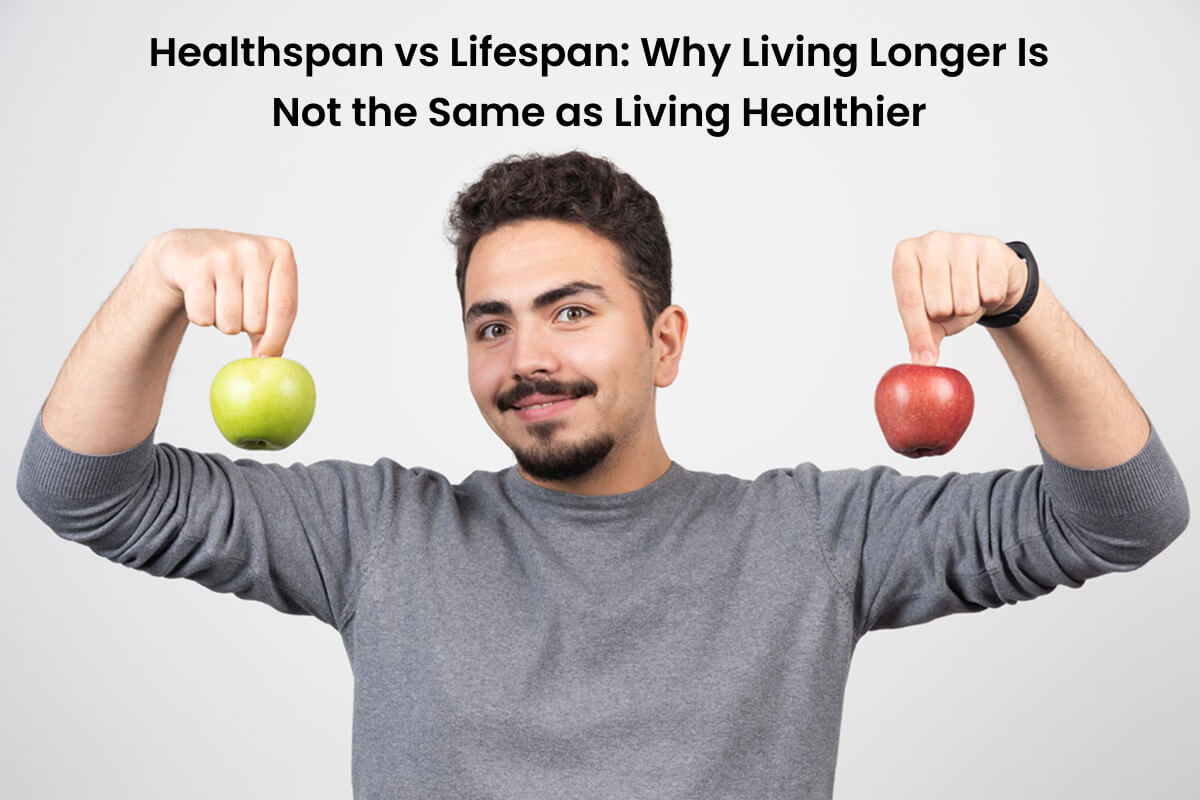
What Are Healthspan and Lifespan?
Healthspan is kind like the idea of living well, and lifespan is more about living longer . When you look at both it gives a clearer sense of what healthy aging really means, not just the numbers.
Defining Lifespan
Life span is basically the total number of years a person lives, from birth till death. It gauges how long we last, even if our health is a bit mixed during those years.
Defining Health span
Healthspan is basically the number of years a person stays healthy, active and self-reliant. It’s kind of this idea of living well with less of those big illnesses or disabling issues that keep pulling life down, like in a slow kind of way.
Why Both Metrics Matter
Lifespan is the time we have, healthspan is how things go during that time. Put together, they give a more complete picture of overall health, not just survival, but day-to-day wellbeing and actual function.
Understanding the Gap Between the Two
A lot of people reach higher age but then spend the later stretch dealing with health troubles. The aim is to shrink this gap, so staying healthier happens for a larger share of life.
| Lifespan | Healthspan |
| Total years lived | Healthy years of active living |
| Measures longevity | Measures healthy quality of life |
| Focuses on survival | Focuses on living better daily |
| Influenced by healthcare | Improved through healthy lifestyle choices |
Why Healthspan Is Becoming a Global Health Priority
A lot of folks are living longer now, but not everyone gets to remain healthy for those extra years, you know a lot of people still end up with long lasting issues sort of. That means improving healthspan really matters, because it can help people stay active and independent overall.
Why the Difference Between Healthspan and Lifespan Matters
Yeah, living longer counts, but those extra years feel good? that part is usually way more valuable. Once folks notice the difference, they start leaning into healthy aging, not just chasing time.
Living Longer Does Not Always Mean Living Better
You can live to a higher age, yet still end up spending a big chunk of it on illness or less fluid movement. But when your health stays strong, those extra years feel kind lighter and way more worth it.
The Cost of Poor Health in Later Life
When health declines it can push medical spending up and increase daily caregiving needs. It may also chip away at independence, and with that the overall quality of life.
Independence, Mobility, and Quality of Life
Staying in good shape helps people keep their ability to move, and it handles the everyday routines a lot better. It also makes normal chores feel a bit more manageable, with some self-confidence here and there really.
The Emotional and Social Impact of Declining Health
As health slips people might find themselves more alone, with higher stress and looser social connections. But when health stays steady, it helps with that emotional equilibrium and it can make relationships feel more intact
Why Healthy Years Matter More Than Additional Years
Healthy years help people keep moving, stay independent, and really get to savor life day to day. In a lot of situations, the quality of life itself wins out over the basic idea of living longer, just like that.
Key Insight Box
Real wellness isn’t only about living longer , it’s more like keeping yourself healthy, staying active and feeling like you can really enjoy life for as many years as possible.
The Modern Longevity Paradox: Living Longer but Not Necessarily Better
Right now, people are living longer than they ever did before , and still plenty of them spend that extra time dealing with health issues. So healthy aging turned into this sort of necessity, maybe even stronger than the idea of just living longer.
How Advances in Medicine Increased Lifespan
With stronger healthcare, vaccines , and newer treatments, more people are managing to live into later years. A set of severe conditions can be warded off today, or at least held in check for longer time periods.
The Rise of Lifestyle-Related Chronic Diseases
Bad eating routines, not getting around enough and that steady pressure have helped drive chronic illnesses. Stuff like this can hang around for years, kind of slowly eating away at regular well-being.
Why Many People Spend Years Managing Health Conditions
A bunch of long term conditions just don’t get fully healed. Usually it is more like steady care for life and that tends to mess with day to day schedules and, honestly, with the whole sense of wellness too.
Understanding the Burden of Modern Living
Packed schedules, rest that is less than ideal, stress and mostly sedentary habits can damage long-term health. Over time these patterns lower both energy levels and life quality.
Longevity Without Vitality: A Growing Concern
Living longer sounds good, but it means little if independence is gone and vitality is missing. The real aim is more healthy, lively years not only more years.
Statistics Opportunity
Include current global and Indian trends related to aging and chronic disease burden.
What Factors Influence Healthspan?
Healthspan kind hangs on the tiny choices you make each day. Those good habits can let you move with more ease, stay independent and feel better for a longer time, it’s not just one thing either.
Physical Activity and Movement
Staying active, with some steady exercise (even light stuff) helps your body stay more tough, resilient and all that. It can also sharpen balance and give you this general energy boost, like, in a quiet way.
Nutrition and Metabolic Health
When you eat meals that are sort of pretty well rounded, your body picks up the vitamins, the nutrients and the small basics it needs, so things keep moving along, rather smoothly.
Sleep Quality
Sleep isn’t just “rest”, it’s the time your body repairs itself and your brain files things in order. Try to build a consistent routine, aim for nights that are genuinely restful.
Stress Management
If stress lingers for too long, it starts tugging on both body and mind. Simple downshifts help, like relaxation, calm hobbies and mindfulness practice. Together it takes some of that pressure off, just bit by bit, slowly.
Social Connections and Relationships
Strong relationships often help emotional steadiness and loneliness doesn’t feel so crushing. Even being around family and friends, in a real way, tends to support health more broadly.
Cognitive Health and Lifelong Learning
Keeping your brain engaged, like really in motion, can help safeguard memory, and keep thinking skills working. Reading more, picking up new abilities, or going after puzzles is a pretty dependable pathway too.
Environmental Influences
Clean air, safe spaces and having time nearby to nature seems to help a lot with wellbeing. When the surroundings are right then healthy living is more or less just easier, you know.
Preventive Healthcare Practices
Doing routine health checkups, can spot issues sooner. Also, immunizations and health screenings, work to dodge many severe illnesses before they grow into bigger trouble.
| Factor | Impact on Healthspan |
| Exercise | Keeps you active and strong |
| Nutrition | Lowers risk of diseases |
| Sleep | Helps body and mind recover |
| Social health | Supports happiness and connection |
| Preventive care | Finds health problems early |
Common Reasons Healthspan Falls Short of Lifespan
A lot of people end up living longer, but then later on it can feel like they’re stuck, mainly dealing with health issues. It’s often the daily habits and the little lifestyle choices, that quietly widen the gap.
Sedentary Lifestyles
Sitting for long stretches, with not much motion, can gradually weaken the body. Adding regular movement helps keep strength up and supports overall wellness.
Chronic Stress and Burnout
Ongoing pressure tends to tug at both the mind and body, sort of at the same time. When stress is managed better, long-range health usually improves.
Poor Sleep Habits
If you don’t get proper rest, it can reduce energy, and also mess with recovery . The quality of sleep is genuinely important for healthy aging too.
Unhealthy Dietary Patterns
Too many processed foods, and not enough real nutrition, can raise the likelihood of illness. A well-rounded diet, over time tends to back stronger health.
Social Isolation
Spending too much time by yourself, can throw off your emotional balance and mental wellbeing. real connection and meaningful relationships help people feel better, and stay healthier for longer as well.
Delayed Preventive Healthcare
Skipping regular checkups can push the detection of health issues further out. early care usually brings better outcomes.
Environmental and Lifestyle Pressures
Air pollution, fast paced routines, and kind of unhealthy habits can weigh heavily on overall well-being. Even a small change that seems, yes pretty modest, can still end up making a big difference over time.
Risk Factors Checklist
Habits That Can Shorten Healthspan
- Physical inactivity- It weakens the body and slowly reduces fitness over time.
- Chronic sleep deprivation- Tends to pull down your energy and it messes with your general well-being.
- Excessive stress- Raises the odds of issues in both physical body and mental health, in a way that keeps piling up.
- Smoking and substance abuse- Harms the body and it pushes up the risk for diseases.
- Poor dietary choices- Causes gaps in nutrients and can lead to long-term sickness.
- Lack of regular health checkups- Makes it harder to notice health problems early, so delays happen.
The Role of Preventive Health in Extending Healthspan
Preventive health is basically about staying in good shape, not just waiting around until something breaks. A few tiny actions early on, can end up meaning a lot later in the long run.
Prevention vs Treatment: A Different Approach to Health
Prevention tries to block health troubles before they show up. Treatment is more about handling illness once it has already appeared.
Why Early Intervention Matters
When you spot health issues early, they’re often less complicated to manage. That same timing can also dodge bigger complications down the line.
Health Screenings and Regular Checkups
Regular visits let you see how you’re doing and notice issues sooner, kind of like early warning. They also make it easier to get help at the right moment, which most of the time means better results overall.
Building Awareness Before Symptoms Appear
A bunch of conditions grow quietly at first. When you understand your current health standing, you can act sooner instead of later even if you feel fine.
Lifestyle as Preventive Medicine
Eating well, staying in motion , and getting solid sleep can do a lot to stop illnesses before they even begin. Those daily habits pile up, kind quietly and they tend to stick with you for a long time.
The Shift From Reactive to Proactive Health
Instead of waiting until you feel unwell, proactive health is about staying on course. With this view, healthspan and the overall quality of life usually rise too in a steady way than before.
| Reactive Health Approach | Preventive Health Approach |
| Treat illness after it develops | Prevents illness before it starts |
| Symptom-focused | Focuses on staying healthy |
| Short-term intervention | Builds long-term healthy habits |
How Lifestyle Choices Shape Your Future Health
Most of the stuff you do, mostly all the time, ends up meaning more than you expect. Even very small healthy habits can push things in a good direction, toward a longer life and a noticeably better overall quality of life.
Practical Wellness Section
The Power of Daily Habits
Little moments, like eating with steadiness and getting yourself up, then moving on a regular basis, they pile up, little by little.
Why Consistency Matters More Than Perfection
You don’t need to be perfect. to guard your health, just repeat small calm actions, over and over and they tend to turn into results that stay with you longer.
Physical Activity as a Long-Term Investment
Keep moving, it helps you build a sturdier and more limber body, also it nudges healthy aging. If you stay active today, it really comes back later.
Building Sustainable Nutrition Habits
Pick nourishing foods that match your day to day tempo , your taste, and what you can realistically keep up with.
Protecting Mental and Emotional Well-Being
Managing stress and taking care of your mental health helps your whole system feel better, sort. It’s like a calmer mind feeds a healthier body too, a gentle feedback loop, you know.
Creating Healthy Routines That Last
Make routines that are simple, realistic and fit your everyday life. Habits are far easier to maintain when they become part of your routine instead of something you “try” to do.
Small Decisions, Big Outcomes
Those tiny little choices day by day, they can sort of quietly stack into a bigger effect than you might have imagined. When you pick the better options today it can gently steer a healthier tomorrow bit by bit.
Writer Instructions
Sustainable habits make things last, while those radical changes are usually hard to keep, you know. It’s more like small steady motions that add up over time, for better long-term health and all that.
Healthy Aging: What Science and Traditional Wisdom Agree On
Modern science, along with traditional wellness habits , both point to daily routines that actually matter. They seem to suggest a kind of steady balance, for better health and peace of mind and general well-being.
The Shared Principles of Healthy Living
Healthy meals, consistent motion, restful sleep, and stress control, help most people. Those “small” behaviors seem simple but they do something larger over time, helping long term health.
Balance as a Foundation of Well-Being
A balanced way of life lets the body and mind operate in step, at least more often than not. Tiny daily decisions, sort of quietly, pile up into durable wellbeing.
The Importance of Daily Rhythms and Recovery
Sleep along with meals and true downtime, when they happen regularly, help the body repair itself and keep going strong. When your routine stays steady, healthy aging becomes a lot more doable.
Movement, Rest, and Mindfulness
Keep moving, leave space for enough slow moments, and practice mindfulness , and honestly the whole scene looks calmer.
Social and Emotional Well-Being Across the Lifespan
Strong connections plus genuine emotional support count at every point in life. People may feel more anchored, and that often ties into better overall health too.
Why Health Is More Than the Absence of Disease
Health is not only about dodging disease or whatever. it also looks like feeling good, physically mentally and emotionally for most of the year.
| Modern Science | Traditional Wellness Wisdom |
| Preventive care | Encourages healthy daily habits |
| Physical activity | Values movement and balance |
| Stress management | Encourages inner calm and balance |
| Healthy relationships | Values community and connection |
How to Increase Your Healthspan Starting Today
Honestly, improving your healthspan starts with these tiny day by day choices. You know, the small routines you keep doing, they sort of snow ball, even if it feels minor right now.
Prioritize Movement Every Day|
Try to stay moving through walking, gentle stretching, or some regular exercise. Daily motion keeps your body steady, strong and generally in good shape.
Improve Sleep Hygiene
Try to get to the pillow roughly around the same time, an then set up a calmer, sort of softer bedtime routine. If sleep stays more steady, your body and mind mend more effectively too, you know.
Eat for Long-Term Health
Pick meals that look sort well rounded, and toss in a pretty solid amount of fruits, veggies, and whole foods. I mean, good nutrition supports you over the long haul, not only for quick, short-term energy.
Strengthen Social Connections
Try leaving a bit of slack in your routine for family, friends, and the surrounding community. Like, better ties really can help keep your mood steady, and it can even support your physical wellbeing as well.
Manage Stress Proactively
Take a minute to unwind a touch , maybe deep breathing, leaning into a small hobby or even some meditation. If you stay ahead of stress before it really ramps up, it can help guard your overall health.
Keep Your Mind Active
Read more, learn new abilities or do puzzles now and then. Keeping your brain engaged helps with healthy aging, not only staying “busy”.
Schedule Preventive Health Checkups
Make some space in your calendar with your health care provider for regular screenings , and those kind of “check ins” that feel a little routine but matter. When you notice problems sooner, it can help you sidestep bigger complications later on as well.
Focus on Progress, Not Perfection
Small improvements , done again and again usually outperform trying to make everything flawless. One healthy choice after another it all counts and it quietly steers you toward a brighter future.
- Try to exercise regularly so you can stay moving.
- Aim for better sleep quality each night, no real hassle.
- Go for wholesome, nutrient packed foods, kind of steady and simple.
- Stay connected with family and friends don’t just vanish keep showing up. Deal with stress through healthy outlets little by little.
- Work on your mind by learning something new, for real.
- Set up routine health checkups and screenings too
Rethinking Success: From Living Longer to Living Better
Real success isn’t only about clocking more years, it’s really about breathing easier, feeling good, and making those years count. In the end a higher quality of life should be the point of any wellness journey.
Why Healthspan Should Be Part of Every Wellness Conversation
Health is more than some number on a chart, its how well you live day to day, like really. So healthspan, that stretch of life you can actually feel good through deserves the same attention as lifespan , maybe even more.
Measuring Health Beyond Life Expectancy
Living longer is meaningful, sure. But keeping your health, staying self-reliant and holding onto daily independence that’s what matters most. Quality of life is a more honest snapshot of overall health.
Creating a Future of Vitality, Not Just Longevity
The dream is to age with energy, stay moving, and keep feeling capable. The habits you build right now tend to become the groundwork for how you’ll live later on, in a kind practical way.
Building a Life That Supports Healthy Aging
Some small daily habits, like eating smart, moving around regularly and getting enough sleep, they make healthy aging more likely over time, honestly.
The Real Goal Is a Better Quality of Life
A good life isn’t just avoiding problems. It’s feeling well, remaining independent, and getting to enjoy regular, ordinary moments without dragging through them.
AI Overview Opportunity
Five Ways to Improve Healthspan
- Stay strong and active.
- Help your body and mind recharge.
- Support long-term health.
- Boost emotional well-being.
- Catch problems early and stay healthier longer.
Conclusion
Longevity Is Only Part of the Story
Healthspan Determines How Well We Live
Healthspan is basically about staying healthy, engaged and independent as we age. It tells a more honest story of overall well-being than lifespan alone, it’s not just about time.
Small Choices Today Shape Future Well-Being
It’s those very small day-to-day behaviors, sort of like moving a bit more , choosing better meals and getting enough rest that can help your future.
Closing Takeaway
Lifespan answers the “how long” question, while healthspan answers the “how well” question. When we choose healthier patterns, lean into prevention and look after both body and mind, we don’t just gain more years. We get more life inside each year.
FAQ Section
- What is the difference between healthspan and lifespan? Lifespan is kind the total number of years you live. Health span, feels more like the stretch of time you can remain healthy, active and independent mostly, without it turning into this constant grind.
- Why is healthspan becoming more important than lifespan? People are living longer sure, but quite a few end up spending those extra years dealing with annoying aches and lingering conditions. So health span shifts the spotlight it’s more about staying better for longer rather than just counting the years.
- Can lifestyle changes improve healthspan? Yeah, totally. It’s kind of like ongoing movement, eating nutrient packed meals, and getting that consistent rest, it all stacks up over time. Also, finding ways to manage stress in a steady sort a way, you know not just once in a while.
- What factors have the biggest impact on healthy aging? Mostly physical activity, balanced nutrition, stable sleep, and your social ties. Then of course stress management, and regular checkups too. All of that really matters a lot for healthy aging.
- How can I increase my healthspan naturally? Try to stay active, add food that is nourishing and not just filling, sleep well too. Also, try to manage stress, keep strong relationships, and don’t forget to set up routine health screenings.



Post a Comment