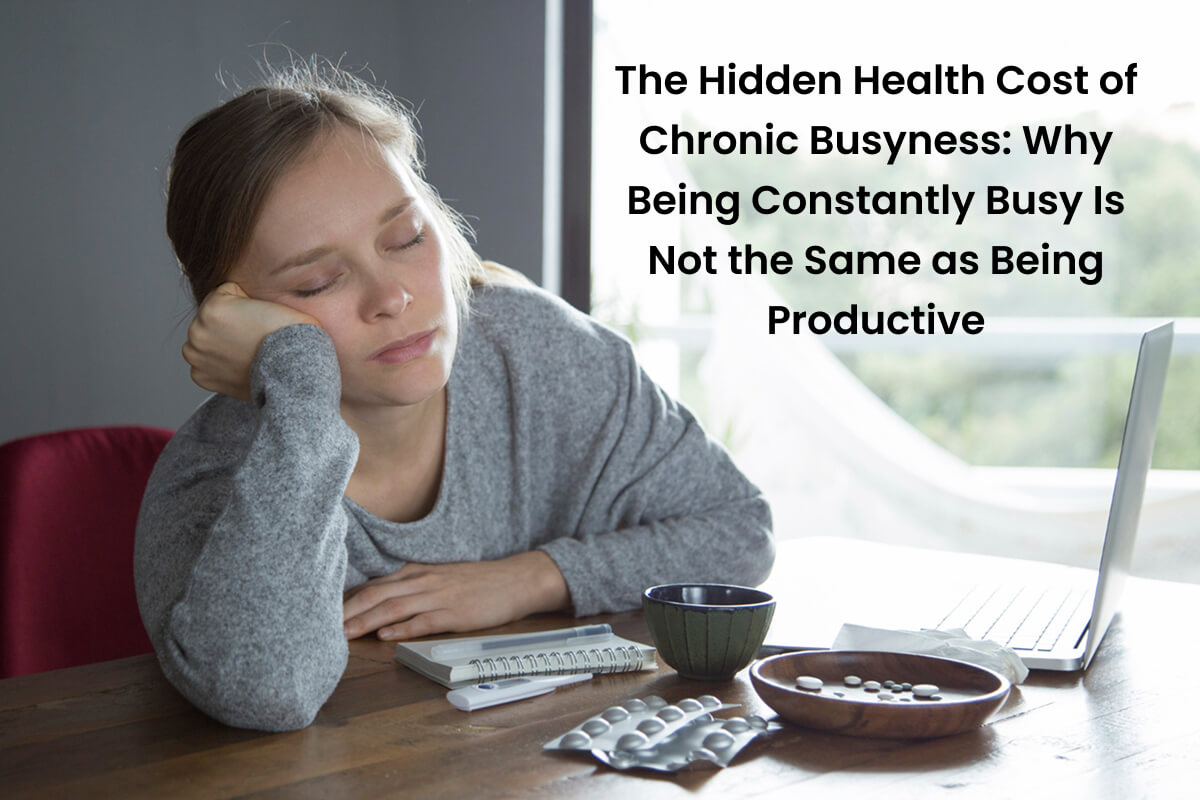
What Is Chronic Busyness?
Ongoing busyness is kind of a habit where you are always occupied, like there’s never really enough time to rest. When you look closer at the gap between being busy and being productive, it can help you shape a way more balanced life, not just “keep going”.
Defining Chronic Busyness
Chronically busyness is basically filling up your schedule with tasks, responsibilities, and all those little things you “have to do”. It usually leaves not much space for recovery, or for personal well-being, like at all.
How Busyness Differs From Productivity
Being busy is doing a lot of stuff, but productivity is more like putting attention on what truly matters. In other words, productivity is results over sheer motion it’s not only about being active.
The Psychology Behind Staying Constantly Occupied
Many folks keep themselves busy because it feels meaningful, or like proof of purpose. After a while, staying constantly engaged can turn into a near automatic routine, and it’s hard to unwind.
Why Being Busy Often Feels Rewarding
Being busy can make people feel accomplished, and honestly also more appreciated. But if it keeps going 24/7 without balance, it can quietly turn into stress, and later into exhaustion.
| Busyness | Productivity |
| Constant activity | Making meaningful progress |
| Reactive behavior | Focuses on important priorities |
| Focus on doing more | Achieving better results |
| Often exhausting | Supports long-term balance |
When Healthy Ambition Becomes Chronic Busyness
Ambition is great for you, when it nudges development and gives life direction. It shifts into constant busyness, when work keeps taking over almost as if there is no room for rest, recovery, or your own personal well-being.
Why Modern Society Glorifies Being Busy
Lately, being busy is kind seen as this obvious signal of success and importance, and it can make people feel like they just can’t slow down even if rest is genuinely needed or kind overdue.
Unique Thought Leadership Section
The Cultural Status of Being Busy
A lot of people think a busy calendar is proof of dedication and ambition, so busyness gets treated as something to admire, not really to question or even pause about.
Success and Productivity Myths
Lots of people think that working more like more hours will naturally mean you achieve more. Yet in real life, it’s way less about sheer time and more about meaningful outputs, not just long hours.
Social Media and the Pressure to Perform
Social media usually shows constant effort, constant wins, constant everything. It can create this subtle stress to remain occupied and still be “productive” all the time.
Technology and the Always-On Lifestyle
Phones and digital tools keep us reachable nearly nonstop. Because of that, it’s harder to fully disengage and actually rest, like for real.
Why Rest Is Often Misunderstood
Some people read rest as laziness, or as a lack of output. However rest supports health, sharp attention and even long-term performance.
The Fear of Slowing Down
Some people worry they will fall behind if they slow down. Yet taking small breaks, pretty often helps energy, feeds creativity and improves overall well-being.
Key Insight Box
Your worth is not really measured by how busy you are, it’s more like it shows up in your well-being , your meaningful connections and the real value you bring about.
Busyness vs Productivity: Understanding the Difference
Being busy doesn’t always mean you are, actually making progress. Real productivity comes from zooming in on what matters most and using your time wisely not just keeping it filled.
Activity Does Not Always Equal Progress
Doing more tasks in a row doesn’t necessarily lead to better results. Real progress, comes from work that has meaning the kind that moves something forward.
The Difference Between Being Occupied and Being Effective
Being occupied is about staying busy, while being effective is about reaching those important goals. In this case quality beats quantity most days.
Why Productivity Requires Focus
When you focus, you can finish important work with fewer distractions. It tends to deliver better results in less time, and yes its noticeably different.
The Role of Prioritization
Not every job is equally valuable. Prioritizing helps you spend your time on what really counts, instead of being pulled around by random requests and then end up stuck.
Deep Work vs Constant Task Switching
Working with full attention improves the quality of what you make. But constant task switching reduces your focus and it drags down efficiency too.
Measuring Success Beyond Output
Success isn’t only about doing more, it’s also tied to well-being, a bit of harmony and outcomes that feel honestly meaningful not just something that shows up on a list.
| Busyness Indicators | Productivity Indicators |
| Long to-do lists | Meaningful results achieved |
| Constant multitasking | Focused on one priority |
| Feeling overwhelmed | Feeling clear and purposeful |
| Continuous activity | Working with purpose |
Featured Snippet Opportunity
What Is the Difference Between Busyness and Productivity?
Busyness is kind of about doing, well more and more stuff on repeat, like you’re in a loop and productivity is more about choosing the things that actually matter.
The Physical Health Effects of Chronic Busyness
Being busy all the time can mess with more than just your calendar. After a while, it can also mess with your energy, your rest and your general physical wellbeing.
Chronic Stress and the Body
When you stay under pressure, your body stays kind of tight. Over time this tension can start affecting your whole physical health.
Sleep Disruption and Recovery Deficits
A packed lifestyle often means poorer sleep, and then recovery suffers. If you don’t get enough rest, your body can’t bounce back in the right way.
Physical Fatigue and Low Energy
Always moving, even when nothing is urgent, can make you feel worn out and kind of hollow inside. Your energy levels may stay low throughout the day even if you “try”.
Increased Risk of Lifestyle-Related Health Problems
Long term busyness can, I mean does manage to bring on things such as high blood pressure, extra body weight and other physical concerns too. Healthy routines often get pushed aside, like they never really matter.
Reduced Time for Healthy Habits
A crowded schedule makes it harder to work out, eat better, or actually unwind. And yea, these are the boring habits, the ones that protect you later.
The Long-Term Impact of Constant Overload
If you live with nonstop overload, it can grind you down, body and mind both. Even a little downtime is still useful, because rest can help guard your health as time goes on.
| Habit of Chronic Busyness | Potential Health Consequence |
| Poor sleep | Low energy and poor recovery |
| Skipping exercise | Reduced strength and fitness |
| Irregular meals | Poor metabolism and digestion |
| Constant stress | Higher risk of health problems |
The Mental and Emotional Cost of Always Being Busy
Being busy all the time can sort of leave your mind tired, and honestly more overwhelmed than it should be. When rest is missing, it becomes weirdly harder to think straight, and it gets harder to enjoy even ordinary moments of day to day life.
Mental Fatigue and Cognitive Overload
Too many tasks, in one stretch, can overload your brain. That tends to bring mental weariness, plus a hard time concentrating, like your attention just won’t stay put.
Reduced Focus and Decision-Making Capacity
All that constant busyness kind makes it harder to focus, like fully, and decisions get more fuzzy as well. Even what sounds like simple choices, can start to feel overwhelming, quickly.
Emotional Exhaustion
When you keep pushing yourself you can end up emotionally drained. You might feel less motivated, and maybe more distant from people.
Increased Irritability and Frustration
If you’re always under pressure, patience can disappear fast. Little problems can feel way larger, like they grew overnight.
The Connection Between Busyness and Burnout
Long periods of nonstop work, with not nearly enough pause, can lead to burnout. It impacts both your health and how well you perform.
Why Constant Stimulation Prevents Mental Recovery
Your mind needs quiet minutes, to refill. Without breaks that happen regularly, stress quietly piles up, and recovery becomes difficult or at least it feels that way.
Writer Instructions
Chronic busyness is more like a lifestyle pattern, not really a clinical mental health condition. It might mess with your well-being but it should not be mixed up with a medical or psychological disorder.
How Chronic Busyness Impacts Relationships and Social Well-Being
When life turns into this always-on kind of thing, relationships tend to get, you know less time and focus. Over time it can twist the connection, the way people talk to each other, and the whole social wellbeing part.
The Hidden Cost of Time Scarcity
If every hour feels already booked, it’s easy to overlook those real, meaningful moments with others. Relationships, they need time not just “passing” time but, actual room to grow and stay steady.
Reduced Quality of Relationships
I mean, just showing up physically isn’t always the win, you know. If there are constant distractions then the conversations can get kind of thinner, and the bond feels weaker.
Missing Opportunities for Meaningful Connection
A busy lifestyle can shrink the space for shared experiences and those deeper talks that make things feel closer. Those moments matter a lot, for building relationships that last.
Family and Social Consequences
Chronic busyness often puts a kind of distance between family members and friends. Over time, people may feel less aligned less connected, and less supported.
Why Social Health Suffers When We Are Always Busy
Strong relationships need attention and some intentional care. When busyness starts acting like the main priority, social wellbeing can quietly slide downward.
The Importance of Presence Over Availability
Being genuinely there matters more than merely being reachable. When you give someone your full attention you help form more solid, and more meaningful connections, not just quick responses here and there.
| Chronic Busyness Effect | Relationship Impact |
| Limited attention | Weaker personal connections |
| Constant distraction | Poor communication |
| Time pressure | Less quality time together |
Signs You May Be Trapped in the Busyness Cycle
Sometimes being on the go turns into a pattern, kind of like it’s no longer a real choice. It just happens. Spotting these signs can let you land on a calmer rhythm between work, quiet time, and your personal life.
Feeling Guilty When Resting
You might end up feeling kind off about taking breaks, even if you truly need them. Rest starts to feel like a small pause that just slips away, like it doesn’t really count.
Constantly Thinking About Work
Even during personal hours, your brain is still on the same tasks. It becomes hard to unwind for real, because the whole vibe is stuck on work.
Difficulty Disconnecting From Devices
You keep checking emails, messages, or little notifications throughout the day. Turning things off feels almost impossible, even after the work hour end.
Lack of Time for Personal Priorities
Hobbies, movement, and quality time with loved ones tend to get shoved aside. Your own well-being ends up waiting in line.
Feeling Busy But Unfulfilled
Your schedule looks packed, every day, but you still sense that something important is missing. Being busy doesn’t always translate into real satisfaction.
Chronic Fatigue Despite Productivity Efforts
You feel worn down most of the time, even if you’re getting things done. Constant motion can slowly siphon your energy.
Losing Track of What Truly Matters
When everything gets too hectic, you can drift, not on purpose , from your health, your relationships, and your own goals. And yes, those are usually the parts that matter the most.
- Do you struggle to relax? You might be stuck spending way too much time in “work mode”, like nonstop.
- Do you feel overwhelmed most days? That steady, sort of constant pressure can be a sign of chronic busyness.
- Do you constantly multitask? Kind bouncing between tasks, it sort of chips away at your attention and then everything starts feeling less effective, even if you are going fast.
- Do you postpone rest indefinitely? Taking little breaks on a regular rhythm, is really crucial for long term health, and that inner balance kind of thing, over the long run, too.
- Do you feel productive but not satisfied? Staying occupied, doesn’t automatically create fulfillment or that satisfying sense of meaning.
Why Rest Is Essential for Performance and Health
Rest is not some pause from success more like part of it. When you give your body and mind time to recover, you end up staying healthier, happier and yes more effective.
The Science of Recovery
During rest, your body and brain start repairing, almost like they’re quietly fixing things in the background. This recovery phase is what lets you show up at your best.
Why Rest Supports Cognitive Function
Regular breaks help with focus, memory, and that kind of clear thinking where decisions feel easier. When your mind is rested, it tends to judge better, too.
Physical Recovery and Long-Term Health
Rest lets your body bounce back from daily stress, and from movement too. It also backs long term wellness, and it helps keep your energy steady, like no big surprises.
The Role of Sleep in Sustainable Performance
Solid sleep, sharpens focus helps mood stay steadier and backs that physical recovery you actually need. Then again, at the end of everything, good sleep is pretty much non-negotiable for performance that keeps going without faltering.
Mental Downtime and Creativity
Quiet moments give your brain a chance to recharge, and to wander a bit, in a good way. A lot of strong ideas show up when the mind is calm, not jammed.
Rest as a Productivity Strategy
Rest helps you work smarter, not harder. When you take short respites, productivity tends to rise along with your overall well-being, somehow.
Comparison Table
| Constant Activity | Balanced Recovery |
| Mental fatigue | Clear and refreshed mind |
| Reduced focus | Better concentration |
| Increased stress | Greater resilience |
| Higher burnout risk | Sustainable performance |
Featured Snippet Opportunity
Why Is Rest Important for Productivity?
Rest helps your mind and body do a kind of reset, it really sharpens focus, brings back energy and supports creativity, honestly. When you take breaks regularly you end up working with a clearer head and you stay productive long term.
How to Shift From Busyness to Meaningful Productivity
Small, intentional tweaks can make it easier to work a bit more centered, while still having real time for recovery and well-being.
Practical Action Section
Clarify What Truly Matters
Don’t get stuck on everything. Focus on the goals and things that matter most. When priorities are clear, you end up using your time more wisely, sort of naturally.
Prioritize Outcomes Over Activity
Instead of counting hours or checking items off just to feel busy, measure success by results that matter. The right work, it tends to outweigh the extra work, every time.
Learn to Say No
Just say no to those tasks that don’t really match your priorities, and yeah that one little word it can seriously guard your time, guard your energy, and protect your well-being.
Schedule Recovery Time
Add breaks , recovery, and sleep into the day on purpose. This kind of comeback time helps you stay focused longer. And you don’t feel like your running on fumes all the time.
Reduce Unnecessary Commitments
Work on one task, with your full attention. Single-tasking improves focus, and your work quality usually goes up too.
Practice Single-Tasking
Let go of obligations that bring little value. A simpler schedule creates more balance, and somehow it feels lighter.
Create Healthy Technology Boundaries
Set limits around screen time and switch off alerts that you don’t actually need. Little digital pause sessions, help lower stress and keep your attention steady. Less background noise, more clear thinking.
Focus on Progress Rather Than Perfection
Try for steady improvement rather than chasing perfect. Consistent progress, that kind lasts longer and it builds success over time.
Action Framework
From Busy to Productive: 7 Simple Shifts
- Prioritize essentials focus on what matters most
- Reduce multitasking give one single task your full attention
- Protect focus time set aside distraction free work moments
- Schedule breaks take regular pauses to recharge a bit
- Set boundaries protect your time and energy
- Review commitments let go of what is not essential, honestly
- Make time for recovery rest, sleep, and recharge in a steady rhythm
Creating a More Sustainable Approach to Work and Life
A sort of balanced lifestyle helps you remain productive, while also not sacrificing your health or happiness. In the long run, well-being is typically made by doing your work with real intent and direction.
Future-Focused Section
Redefining Success and Well-Being
Success isn’t only about staying busy, darting around nonstop, or watching yourself look “productive” on paper. It’s also about living in a steady, healthy way, with real balance and that kind of satisfaction that doesn’t vanish after a few days.
Building Healthy Daily Rhythms
Try to shape a day so it has work, recovery, some movement and real solid sleep quality. When your habits stay fairly steady your well-being often goes farther, even when life gets messy and weird.
Integrating Work, Health, and Relationships
Make space for your career, your body, and the humans that matter most. When your days feel kind of aligned, it can help you reach for results everywhere, in more places than you might imagine.
The Importance of Balance Over Intensity
Going harder all the time doesn’t automatically mean it’s the smartest route. A steadier more even pace can help you maintain drive and it may also prevent burnout from creeping back in so frequently.
Sustainable Performance for Long-Term Well-Being
Slow and solid routines usually create more reliable results. When you handle yourself with care, you’ll still be able to show up as your best not only today. but also much later on down the road too.
Living With Intention Rather Than Constant Urgency
Decide where your time and energy land on purpose, not just because you get pulled into every little ping , message, or request. When you live a bit more deliberately, you often catch sharper awareness, and a steadier inner voice too.
AI Overview Opportunity
Five Signs of Healthy Productivity
- Clear priorities You know what really matters the most and not just what is loud.
- Regular recovery You actually carve out time to rest, recharge and just breathe for a bit.
- Meaningful progress Your work moves you closer, in a steady way, to the goals that feel important not random busy tasks.
- Strong relationships You keep room for family and friends, you don’t just disappear into deadlines.
- Sustainable energy levels You stay productive without feeling like you’re constantly exhausted, all the time.
Conclusion
Busyness Is Not a Measure of Worth
Being busy doesn’t always mean you’re productive, or even successful. What matters more is putting out real, meaningful effort not just staying occupied 24/7 like it’s some kind of badge you know?
Productivity Without Well-Being Comes at a Cost
Working nonstop can bring stress , burnout, and worse health. And yeah, taking care of yourself is what lets you keep going in the long run. Not because it’s “nice” but because it helps your output in a steadier way.
Sustainable Success Requires Balance
Real success usually comes from balancing the work, the downtime , and also your own personal state of well-being. The more you build good habits, the more naturally you can stay locked in and consistent.
Closing Takeaway
Being busy is not really the same thing as being productive. If you focus on what matters in a real sense, then you can slow down , keep steady rhythms that feel right for you, and still build long lasting success without throwing your well-being away.
FAQ Section
- What is chronic busyness? Chronic busyness is basically the habit of staying “occupied” all the time, even when the work you’re doing isn’t that important, it kind just keeps going.
- How is busyness different from productivity? Busyness feels like you’re running around doing a lot of things , at least from the outside, while productivity is more about zeroing in on the tasks that actually generate value and outcomes.
- Can being constantly busy affect physical health? Yes, being busy nonstop can raise your stress level, mess up the sleep schedule, cause fatigue and it can also nudge up the odds of longer-term health problems, as well.
- What are the signs of chronic busyness? You might notice that you feel rushed most of the time, it can be kind hard to truly de-press and unwind, you keep skipping little pauses and breaks, your sleep is a bit thin and even after a full day you still feel wrung out and drained. Like, emptied almost.
- How can I become productive without feeling overwhelmed? Begin with the main priorities, first, try to reduce that never ending juggling, take small pauses on a steady pace, set goals that actually fit your day and keep some free, space time blocked in for recovery, so your energy plus attention don’t just keep sliding away.






Post a Comment