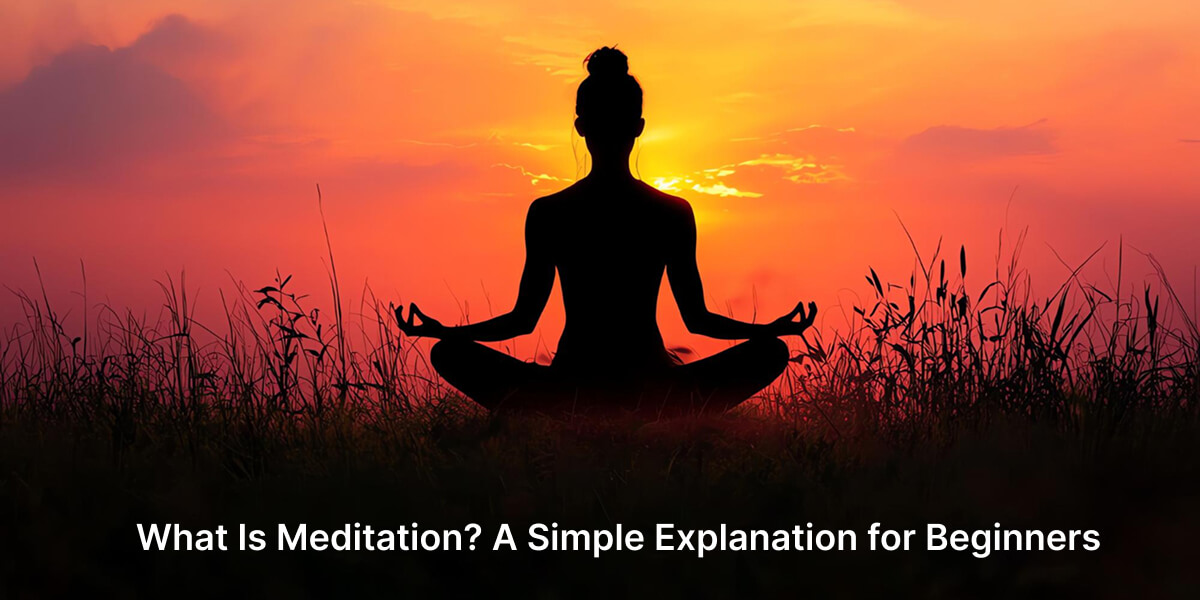
Meditation has become increasingly popular in recent years, especially as people search for ways to manage stress, improve mental health, and live more mindfully. But for beginners, meditation can feel secret or even threatening. You can wonder: What particularly is contemplation? How does it work? Do I have to park absolutely still and stop thinking? The loyalty is, contemplation is far more natural and more natural than most families accomplish.
At allure gist, contemplation is a way of preparing the mind—just like exercise trains the bulk. It helps you hinder, notice your hopes, and make you more aware of the importance. You don’t need distinguished abilities, supplies, or a spiritual education to start. Anyone, at some age, can gain by what method to meditate and love allure benefits.
This novice-intimate guide will decay meditation in the plainest habit likely, disclose by means of what it works, share smooth methods you can start accompanying contemporary, and help you learn what to expect as you start your practice.
What Is Meditation?
Meditation is a practice that helps you bring your mind into a state of calmness, awareness, and clarity. It involves focusing your attention on something—your breath, a word, your body, or even sounds—while gently noticing when your mind wanders. Instead of pushing thoughts away, you simply observe them and return your focus.
Meditation has been around for thousands of years and exists in various traditions such as Buddhism, yoga, Hindu philosophy, and modern mindfulness practices. Today, it is widely used for mental health, emotional balance, and overall wellness.
You don’t have to sit cross-legged, chant, or aim for “no thoughts.” Meditation is simply about being present. Over time, it trains your mind to become more peaceful, centered, and aware—both during meditation and in daily life.
How Meditation Works?
Meditation works by shifting your brain from a busy, stressed state into a calmer, more focused mode. When you meditate, you activate the parasympathetic nervous system, also known as the “relaxation response.” This helps slow your heart rate, lower stress hormones, and bring your mind into a state of balance.
Meditation also strengthens important parts of the brain:
- The prefrontal cortex, responsible for decision-making and focus
- The hippocampus, responsible for memory and learning
- The amygdala, responsible for emotional responses
Through regular practice, meditation reduces overactivity in the amygdala (fear center) and increases activity in the areas responsible for awareness and calmness.
In simple terms, meditation works by training your brain just like a muscle. The more you practice, the stronger your ability to focus, stay calm, and avoid being overwhelmed by stress.
Different Types of Meditation for Beginners
Meditation is not one-size-fits-all. Beginners can explore different styles and choose what feels comfortable.
- Mindfulness Meditation
Observing thoughts, emotions, and sensations without judgment. - Breathwork Meditation
Focusing on slow, deep breathing to relax the mind and body. - Guided Meditation
Following audio instructions that help you relax or visualize. - Body Scan Meditation
Bringing awareness to different parts of the body to release tension. - Mantra Meditation
Repeating a word, sound, or phrase to anchor your attention. - Loving-Kindness Meditation (Metta)
Sending compassion and goodwill to yourself and others.
How to Meditate for Beginners?
Meditation doesn’t have to be complex. Here’s a simple way to start:
- Find a quiet place where you won’t be disturbed.
- Sit comfortably in a chair or on the floor with your back straight.
- Close your eyes softly or keep them slightly open.
- Take a few deep breaths to relax your body.
- Focus on your breath—the inhale and exhale.
- Notice when your mind wanders, then gently bring it back.
- Start with 5–10 minutes, increasing over time.
- End slowly, opening your eyes and stretching gently.
Related Blog: How to Do Meditation: A Step-by-Step Guide for Beginners
Benefits of Meditation for Beginners
Even a few minutes of meditation daily can lead to powerful changes in your mental and emotional well-being.
- Reduces stress and anxiety by calming the mind
- Improves focus and attention
- Promotes emotional stability
- Better sleep quality
- Increases self-awareness
- Boosts patience and mindfulness
Common Myths About Meditation
Beginners often carry misconceptions that make meditation feel harder than it is.
- “I must stop thinking completely.”
Thoughts are natural—you simply observe them. - “I need to sit perfectly still.”
You only need to be comfortable. - “Meditation is religious.”
It can be spiritual, but it’s also a secular wellness practice. - “It takes hours to be effective.”
Even 5 minutes a day can make a difference. - “Meditation is only for calm people.”
In fact, it helps anyone who feels stressed or overwhelmed.
When Is the Best Time to Meditate?
Meditation can be done anytime, but certain moments are especially supportive for beginners.
Mornings are ideal for clarity and setting a positive tone for the day. Your mind is fresh, the world is quiet, and your energy is naturally calm.
Evening meditation helps release stress and unwind after a busy day. It can also improve sleep when done before bedtime.
You can also meditate whenever you feel overwhelmed, anxious, or unfocused. What matters most is consistency, not timing.
Common Challenges Beginners Face
It’s normal to face difficulties when starting meditation. Most beginners experience similar challenges, so you are not alone.
- Racing thoughts
- Difficulty sitting still
- Feeling bored or distracted
- Unrealistic expectations
- Inconsistent practice
- Doubt about “doing it right”
These challenges fade with practice and patience.
Tips to Build a Consistent Meditation Habit
Building a meditation habit is much easier when you approach it gently and intentionally.
- Start small—5 minutes is enough
- Attach meditation to an existing habit (like waking up)
- Use guided meditations to stay focused
- Choose a quiet and comfortable space
- Track your progress to stay motivated
- Be patient with yourself—consistency matters more than perfection
FAQs About Meditation
Here are answers to the most common beginner questions:
Q1. Is meditation hard for beginners?
Meditation can feel challenging at first because your mind is not used to being still. But with practice, it becomes much easier. The goal is not perfection—it’s simply noticing when your mind wanders and gently returning to your focus.
Q2. Are meditation apps helpful for beginners?
Yes, meditation apps are extremely helpful. They guide you step-by-step, making it easier to stay focused and relaxed. Apps offer beginner-friendly sessions, calming music, and different styles of meditation to explore.
Q3. Can I meditate if I can’t stop thinking?
Absolutely. Meditation is not about stopping thoughts—it’s about changing your relationship with them. You simply observe your thoughts without chasing them. Over time, your thoughts naturally quiet down.
Q4. Can meditation be done anywhere?
Yes. You can meditate at home, at work, while traveling, or even outdoors. All you need is a comfortable position and a few minutes of focus. Meditation is flexible, portable, and easy to fit into daily life.
Q5. Does meditation help with stress and anxiety?
Yes. Meditation reduces stress hormones, slows your breathing, and brings your body into a state of calm. With consistent practice, meditation becomes a powerful tool for managing anxiety and emotional balance.
Conclusion
Meditation is a simple yet powerful practice that anyone can start. You don’t need to stop thinking, follow strict rules, or meditate for long periods. All you need is a few minutes, a comfortable space, and an open mind. As you practice, you’ll discover greater peace, clarity, and self-awareness—benefits that extend into every part of your life.
Whether you’re seeking emotional balance, stress relief, or personal growth, meditation is a wonderful place to begin.








Post a Comment