What Is Daily Fatigue?
Most people experience daily exhaustion at some time during their lives. The condition arises from life challenges and stress factors and insufficient sleep. Understanding fatigue helps people manage the condition better while achieving life balance.
Daily fatigue causes people to experience constant tiredness throughout their waking hours. People experience this condition because they lack energy to perform their daily tasks. The condition causes people to experience tiredness that impacts both their physical health and mental capabilities. Your body might experience periods of weakness. You experience complete body exhaustion. Your body becomes fatigued at a fast rate. You feel tired because your body needs to recover from work. The condition affects your mental state. You experience difficulty concentrating which makes you unproductive. Your body system becomes easily irritated. Your thought process works at a slow pace. The combined exhaustion of your body and your mind makes it difficult to accomplish tasks. The situation creates a negative impact on your overall life experience.
People must identify their fatigue triggers to solve their daily exhaustion problem. People can begin their recovery process after they identify their triggers. Breathing exercises provide a solution that helps people recover from fatigue. The techniques improve your energy levels and mental stability. Daily fatigue can be. Breathing techniques provide significant assistance.
Causes of Everyday Fatigue
The feeling of daily fatigue arises because your body and mind need to show you their warning signs about your existing health conditions and lifestyle choices that exhaust your energy throughout the day. You can restore your energy and alertness by learning how to identify the most common energy drainage factors.
People experience daily exhaustion because of the following factors:
Poor sleep – The body needs quality sleep to achieve full recovery. When sleep quality or duration falls short, people experience persistent daytime sleepiness
Stress: Your body experiences mind and body exhaustion because of ongoing mental and emotional stress.
Dehydration: Your body will function at a slower pace when you do not drink enough water which creates a feeling of tiredness.
Lack of Physical Activity: People who maintain a sedentary lifestyle will experience reduced stamina and circulation which results in exhaustion.
Unhealthy Diet: People who eat processed foods and miss their scheduled meals will experience energy drops which cause them to feel exhausted.
How Breathing Affects Energy Levels
Your breathing pattern plays a more important role in your energy levels than you might realize. Your breathing pattern determines your body’s oxygen intake which directly impacts your energy levels and daytime alertness.
Your body uses breathing as a fundamental mechanism to create and maintain energy resources. Your body requires deep breathing because it enables your lungs to take in higher oxygen levels which then moves through your bloodstream to deliver oxygen to all your body cells. Your body uses oxygen to create energy which enables your body to function properly while keeping you alert.
The body experiences two negative effects from shallow or rapid breathing, which decreases oxygen intake and creates a disruption between oxygen and carbon dioxide levels. The resulting symptoms include exhaustion, decreased focus, and heightened tension. The use of proper breathing techniques enables better oxygen delivery to the body while they activate the natural process of body relaxation which helps decrease stress and improve overall energy levels.
Importance of Oxygen Flow in the Body
Oxygen is necessary for your body to operate at its highest capacity while maintaining consistent energy throughout the entire day. Your body achieves its best physical capabilities when it receives enough oxygen to sustain your mental abilities.
Oxygen exists as an essential element which supplies energy throughout the entire human body. Breathing allows oxygen to enter your lungs which then travels through your bloodstream to reach your body organs and tissues and cells. Your body uses this oxygen to generate energy which enables your organs including your brain and heart and muscles to work properly.
The brain needs continuous oxygen delivery to maintain alertness while the heart requires oxygen to maintain its blood circulation and muscles need oxygen for their continuous operation without exhaustion. Insufficient oxygen supply causes physical exhaustion together with dizziness and mental impairment which results in decreased athletic ability. Proper breathing together with oxygen intake must be controlled because these factors determine whether a person remains energetic throughout the day
Signs of Poor Breathing Habits
People typically do not recognize their breathing problems but these issues have the power to lower their energy and damage their health. The early detection of these symptoms enables you to take corrective actions which will lead to enhanced daily energy.
Shortness of breath – Shortness of Breath makes people experience difficulty with their breathing because they cannot complete their breath cycle. They need to breathe in order to reach a state of comfort. People struggle with breathing because they do not obtain sufficient oxygen
Fatigue – The condition of fatigue creates constant exhaustion which you experience throughout the day. Your body needs oxygen for proper functioning but it remains in a state of exhaustion.
Lack of focus – The condition also causes Lack of Focus. The brain requires oxygen for people to maintain their ability to think and pay attention. Lack of Focus prevents people from being able to concentrate on what they need to do
Benefits of Breathing Techniques
Breathing techniques provide people with basic techniques which deliver strong advantages for their physical health and mental health. Your breathing pattern needs improvement because it will help you breathe better and achieve stress reduction and energy increase.
Increased Energy: The practice of deep steady breathing leads to improved oxygen intake which results in higher daytime activity levels and enhanced vitality.
Reduced Fatigue: Proper breathing techniques enable people to combat persistent exhaustion because their bodies will operate at maximum efficiency with reduced energy requirements.
Better Concentration: The brain receives more oxygen which enables users to maintain their concentration abilities while they complete tasks without experiencing mental fatigue.
Improved Relaxation: Basic breathing methods enable people to achieve mental tranquility and stress reduction which leads to complete relaxation during their most hectic days
Simple Breathing Exercises to Reduce Fatigue
People find it easy to practice breathing exercises because they can do them at any time from any location. A few minutes of mindful breathing practice, which people can do at work or home or during short breaks, helps them achieve a state of mental and physical relaxation which boosts their energy levels.
Deep Breathing
Fatigue Reduction through Basic Breathing Techniques Deep Breathing Deep breathing, which people also refer to as diaphragmatic breathing, requires practitioners to breathe slowly while they perform natural breathing patterns. You should breathe through your nose while your belly expands instead of taking fast shallow chest breaths. This minor change enables your body to absorb additional oxygen which results in immediate relaxation. Two minutes of deep breathing practice produces an observable impact on your state of mind. The treatment reduces stress while decreasing your heartbeat rate and enhancing oxygen circulation throughout your system. Next time you experience fatigue or mental exhaustion, take a moment to breathe deeply which will help you gain control of your situation.
Alternate Nostril Breathing
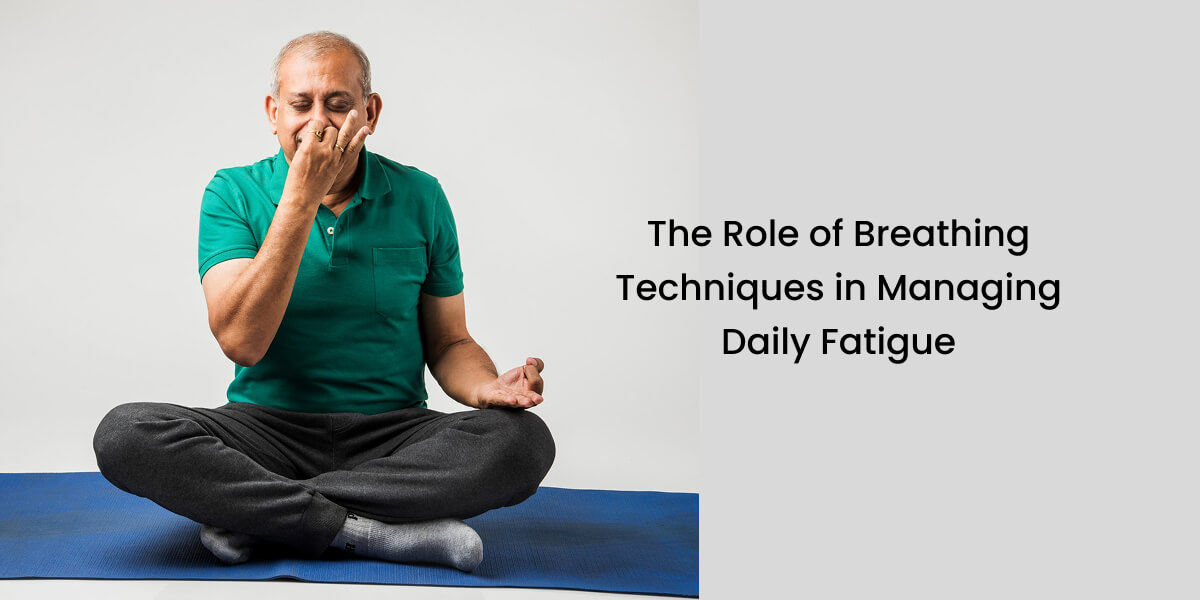
The practice of alternate nostril breathing serves as a tranquil method which people use for both yoga and mindfulness meditation. The technique requires you to inhale through one nostril while you close the other nostril, then switch sides in a controlled pattern. The method establishes a systematic breathing pattern which enables oxygen to flow through the body. People who practice alternate nostril breathing regularly experience stress reduction and better concentration which leads to enhanced mental clarity. The technique becomes especially useful when someone experiences both overwhelm and mental exhaustion.
Box Breathing
Box breathing functions as a breathing exercise which establishes a breathing pattern through a sequence of four actions that people perform for similar time intervals. The technique establishes a breathing pattern which induces a peaceful state while people could maintain their ability to control their breathing pace. People use this exercise as a tool to decrease stress levels while they work on improving their ability to concentrate. Box breathing enables you to decrease fatigue because it brings your body into a state of rest through its rhythmic breathing pattern.
Breathing Techniques for Mental Clarity
Your breath serves as a reset tool which you can use when your mind becomes overloaded with thoughts that scatter in every direction. The process of taking several peaceful minutes to concentrate on your breathing will bring you present calmness which develops throughout your entire body system.
Breathing Techniques for Mental Clarity
People can enhance their concentration by using breathing techniques which serve as a simple method to eliminate mental distractions. People who practice slow breathing with consistent rhythm will experience better cognitive function because their brains receive increased oxygen supply which enables them to maintain concentration and accomplish tasks effectively without feeling mental strain. People need these tools because they help them finish their work while experiencing relaxation through stress reduction and elimination of interruptions. Your natural breathing pattern creates a state of calm which causes your mind to organize itself. Your mind maintains its active state while you complete tasks throughout the day.
Impact on Stress Levels
You experience stress accumulation through your regular activities which creates situations where you have intense anxiety and complete exhaustion. Your breathing pattern determines your body’s ability to manage stress while you recover from stressful situations.
Impact on Stress Levels
The body uses breathing techniques as a means to activate its built-in relaxation mechanism. Your body enters a state of stress relief when you practice deep breathing through slow and controlled breath patterns. Your body begins to experience relaxation through muscle release while your heart rate decreases and you become more peaceful.
The relaxation response enables stress reduction which assists you in maintaining a peaceful and balanced state for extended periods. Mindful breathing practice enables you to navigate daily difficulties with greater efficiency while you maintain control during high-pressure episodes.
Long-Term Benefits of Controlled Breathing
The body experiences better functional performance through these basic techniques which will improve both mental and physical performance for a prolonged period
Improved stamina – Regular breathing practice helps your body improve oxygen usage which enables you to maintain physical activity for extended periods without experiencing fatigue.
Reduced burnout– The practice of controlled breathing creates a state of relaxation which decreases mental and physical exhaustion that develops over time.
Better mental health– Regular practice of this method helps maintain emotional stability while decreasing anxiety and promoting a state of calm control
Enhanced well-being– Better breathing patterns lead to complete health improvements which make you feel more energetic and refreshed and balanced throughout your daily activities.
FAQs About Breathing Techniques
People naturally develop questions about new knowledge when they attempt new activities that focus on enhancing their physical wellness and stamina. The following section presents typical inquiries which explain how breathing techniques improve people’s daily wellness..
Q1. Can breathing exercises reduce fatigue?
Yes, they can. Breathing exercises help your body receive more oxygen which leads to increased energy levels and decreased tiredness
Q2. How often should I practice breathing techniques?
You can practice them daily, even for just 5–10 minutes. People achieve their best results through regular practice which develops their skills
Q3. Do breathing exercises improve focus?
Yes. Controlled breathing increases oxygen supply to the brain, helping you stay focused, think clearly, and remain mentally alert.
Q4. Can breathing help reduce stress?
Your body experiences relaxation through slow deliberate breathing which reduces stress and creates a peaceful state that helps you manage daily challenges. Your practice of regular stress relief techniques will lead to improved ability to handle stressful situations which will replace feelings of being overwhelmed
Q5. Are breathing techniques safe for daily practice?
People can safely practice most breathing techniques on a daily basis. You should perform the movements in a gentle and comfortable way while your body should tell you when to stop .
Key Takeaways
Your breathing patterns require minimal adjustments to create an effect which will improve your energy levels and concentration abilities and mental stability.
Improves energy – Your body receives additional oxygen through proper breathing techniques which results in increased daytime energy and reduced fatigue throughout the day.
Enhances focus– Controlled breathing techniques help people understand their thoughts better which improves their ability to concentrate and maintain their work output. Supports mental health – The practice of breathing exercises on a regular basis supports mental health by helping individuals manage stress while achieving a state of calmness and inner balance and personal control.







Post a Comment