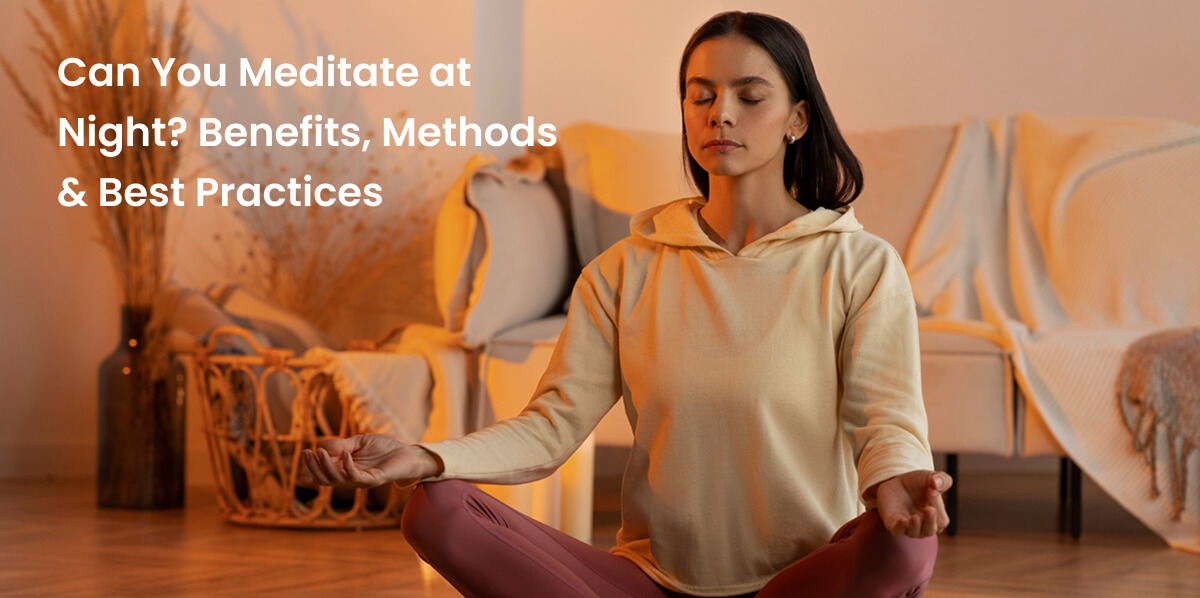
Meditation has long been associated with early mornings, calm sunrises, and a fresh start to the day. Many communities trust that contemplation “everything best” in the dawn, but the loyalty is far more flexible—meditation is advantageous at whatever time, containing darkness. In fact, for many things, the quiet strength of night can form contemplation even more comforting and transformational than dawn practice.
Today’s fast-moving lifestyle frequently leaves the nation ‘s impression rationally exhausted, anxious, or overstimulated for one end of the epoch. Night contemplation offers a chance to undo, release grown stress, and draw up the mind for a quiet sleep. Whether you’re working with restlessness, overthinking, or darkness worry, evening contemplation can help calm your central nervous system and do over your spirits.
In this guide, we investigate whether you can meditate after dark, allure benefits, high-quality systems to use, and by what method to practice it effectively.
Can You Meditate at Night?
Yes, you can absolutely meditate at night—and for many people, nighttime is the perfect moment to do so. While morning meditation is ideal for boosting energy and setting intentions, nighttime meditation focuses on relaxation, emotional release, and preparing the mind for deep rest. The stillness of night creates an environment where distractions fade, allowing your mind to turn inward more easily.
Night meditation also helps counter the effects of a busy day. After hours of mental activity, your brain may still be racing. Meditation helps slow down your thoughts, ease muscle tension, and activate the parasympathetic nervous system—the body’s natural calming response. This makes nighttime practice especially helpful for people with high stress or difficulty unwinding before bed.
Whether you meditate at 8 PM, 10 PM, or right before sleep, the key is consistency. Over time, your mind begins to associate meditation with relaxation, making it easier to transition into sleep.
Benefits of Meditating at Night
Meditating at night offers unique benefits that differ from morning meditation. Nighttime energy is quieter, softer, and more introspective, making it an ideal setting for emotional release and mental unwinding.
By the end of the day, your mind has accumulated stress, frustrations, or unresolved thoughts. Meditation creates space to process and let go of these mental burdens instead of carrying them into sleep. This improves not just your nights, but also your mornings and overall well-being.
Below are some key benefits of meditating at night:
- Reduces stress and anxiety accumulated throughout the day
Night meditation helps dissolve worries and quiet the mind. - Improves sleep quality and helps you fall asleep faster
It relaxes the nervous system and slows brainwave activity. - Releases emotional tension
Night meditation helps you process emotions gently before bedtime. - Promotes mindfulness and presence
It becomes easier to develop reflection and self-awareness at the end of the day. - Calms an overactive mind
Especially helpful for overthinkers or those with nighttime anxiety. - Supports better morning mood and energy
A calm mind at night leads to a refreshed mind the next day. - Helps break unhealthy nighttime routines
Meditation replaces doom-scrolling, late-night snacking, and overthinking.
Best Meditation Methods for Nighttime
Some meditation techniques work particularly well at night because they promote relaxation, tranquility, and a sense of grounding. While morning practices may be energizing or stimulating, nighttime practices should focus on calming the mind and preparing the body for rest.
Here are the best meditation methods to use before bed:
1. Breath Awareness Meditation
This method involves focusing on the natural rhythm of your breath. It slows the heart rate, quiets the mind, and reduces anxiety. Simply notice your inhale and exhale, allowing your breath to guide your attention away from stressful thoughts.
Breath awareness is perfect for people who struggle with racing thoughts because it brings attention into the present moment.
2. Body Scan Meditation
In a body scan, you mentally observe each part of the body from head to toe. This helps release tension stored in muscles and signals your brain that it is time to rest. Many people fall asleep during or right after a body scan, making it ideal for nighttime meditation.
This method is highly effective for those who feel physically restless or tense before bedtime.
3. Guided Sleep Meditation
Guided meditations led by instructors (via apps or audio tracks) help you relax through voice instructions. These sessions often include gentle breathing, visualization, and calming affirmations.
Guided sleep meditation is great for beginners who find it hard to meditate in silence.
4. Mindfulness Meditation
Mindfulness meditation at night helps you become aware of your thoughts without engaging with them. It teaches you to observe your internal state with calmness, reducing the emotional and mental load you carry into bed.
This method improves emotional balance and prevents nighttime overthinking.
5. Loving-Kindness Meditation (Metta)
Loving-kindness meditation involves sending goodwill and compassion toward yourself and others. Practicing Metta before bed can soothe emotional wounds, reduce tension, and cultivate inner peace.
This technique is helpful for people experiencing emotional stress, conflict, or self-criticism.
Best Practices for Effective Night Meditation
While meditation at night is simple, a few best practices can greatly improve your experience. These habits help your mind transition from activity to relaxation more seamlessly.
- Dim the lights
Soft lighting or darkness signals your brain to wind down. - Avoid screens for 20–30 minutes before meditating
Blue light from devices overstimulates your brain. - Eat light or avoid heavy meals before meditation
A full stomach makes your body feel sluggish or uncomfortable. - Create a relaxing nighttime routine
Pair meditation with journaling, stretching, or reading. - Use calm background sounds
Soft music or nature sounds enhance relaxation. - Stay consistent with a regular meditation time
Your mind learns to settle more quickly with routine.
Related Blog: How to Concentrate During Meditation: Practical Tips for Beginners
FAQs About Meditating at Night
Below are answers to some of the most common questions about nighttime meditation.
Q1. What should I avoid before doing night meditation?
Avoid bright screens, heavy meals, caffeine, intense physical exercise, or emotionally stimulating conversations. These activities increase alertness and make it difficult to calm the mind. Ideally, give yourself at least 20–30 minutes of slow, relaxing activity before starting your meditation session.
Q2. Can meditation replace sleep?
No. Meditation cannot replace sleep, but it can improve sleep quality. While meditation activates deep relaxation and may mimic some brainwave patterns seen in early sleep stages, your body still needs proper restorative sleep cycles for healing, memory, and overall health.
Q3. Can nighttime meditation help with insomnia?
Yes, meditation is often recommended for people with insomnia. It reduces racing thoughts, lowers stress hormone levels, and relaxes the nervous system. Many people find that consistent nighttime meditation helps them fall asleep faster and stay asleep longer. Over time, this can significantly reduce insomnia symptoms.
Q4. Is guided sleep meditation effective?
Guided sleep meditation is highly effective for beginners and individuals who struggle to calm their mind on their own. The soothing voice guidance helps shift your attention away from thoughts and into a state of relaxation. It is especially useful for people with anxiety, restlessness, or emotional stress at bedtime.
Q5. How often should I meditate at night?
You can meditate every night if you’d like. Just 5–15 minutes of nighttime meditation can make a significant difference in sleep quality and emotional well-being. Consistency is more important than length—regular practice teaches your mind to unwind naturally.
Conclusion
Meditation at night offers powerful benefits—from reduced stress and improved sleep to emotional release and mental clarity. Whether you choose breathwork, a body scan, guided meditation, or mindfulness practice, nighttime meditation can become a relaxing ritual that transforms your nights and your mornings. It gives your mind a chance to slow down, reset, and recharge.
With the right techniques and consistency, meditation becomes more than a habit—it becomes a comforting transition into deep rest. If you’re looking for a peaceful way to end your day, night meditation may be the perfect addition to your routine.








Post a Comment