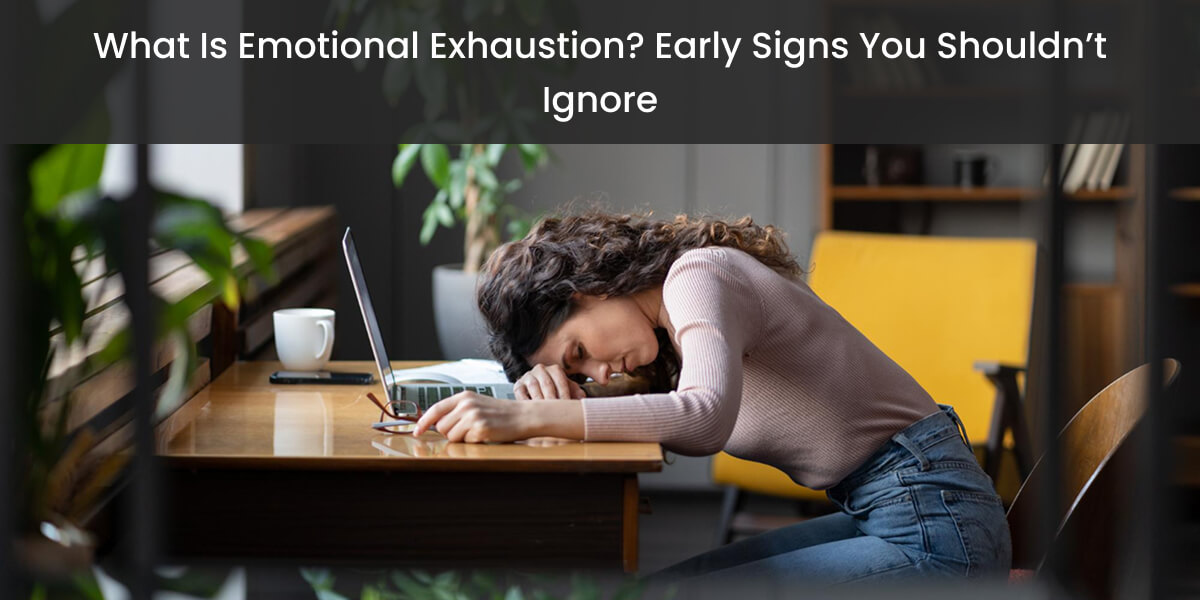
What Is Emotional Exhaustion?
Emotional strain can sneak up on you, kind of like it’s hiding behind “just being busy” or “too much happening.” However, when you are mental, emotional needs keep piling up, and you can’t catch a break to recover, it’s more than just the usual
Feeling emotionally wiped out happens when you are mentally and emotionally drained from too much stress, too many things to handle, or just feeling worn out from dealing with a lot of emotions When you’re feeling totally drained and can’t muster the energy to handle things or react properly
Emotional burnout messes with your head, mood, and how you act, unlike just being plain worn out you might feel like
• Feeling wiped out despite a good night’s sleep
• Detached or numb
• Feeling a bit on edge or getting stressed out too quickly
• Not really fired up or a bit jaded
• Feeling a bit out of it or having trouble focusing
Burnout’s a big part of what people think about, including the kind that workplaces like the World Health Organization talk about Emotional burnout isn’t just a workplace thing; it can come from taking care of someone, dealing with relationship issues, academic stress, or just the constant ups and downs of life
Emotional exhaustion means your nervous system is telling you it’s been overworked for too long and hasn’t had enough time to chill out
Emotional Exhaustion vs Stress
Constant pressure is a normal part of life. The key difference lies in duration, intensity, and recovery.
While stress and emotional exhaustion are closely related, they are not the same experience.
Temporary Stress
Temporary stress is typically short-term and tied to a specific challenge — a deadline, an argument, an exam, or an important event. Characteristics include:
- Increased alertness or urgency
- Physical tension (tight muscles, faster heartbeat)
- Clear trigger or identifiable cause
- Relief once the situation resolves
In moderate doses, stress can even enhance performance and focus. Once the pressure passes, your energy and emotional balance usually return.
Chronic Emotional Fatigue
Emotional exhaustion develops when stress becomes prolonged and recovery is insufficient. It is marked by:
- Persistent depletion, even after rest
- Emotional numbness or detachment
- Reduced motivation and productivity
- Feeling overwhelmed by small tasks
- A sense of hopelessness or mental shutdown
The key distinction is recovery. With temporary stress, your system rebounds. With chronic emotional fatigue, your emotional reserves remain low, and everyday demands start to feel unmanageable.
In simple terms:
- Stress is feeling pressured.
- Emotional exhaustion is feeling emptied.
Common Causes of Emotional Exhaustion
Emotional exhaustion rarely appears overnight. It tends to build gradually, often fueled by ongoing pressures that chip away at your mental and emotional reserves.
When demands consistently outweigh your ability to rest and recover, exhaustion can take hold. Some of the most common contributing factors include:
- Work pressure – Heavy workloads, tight deadlines, lack of control, or high emotional demands at work can steadily drain your energy.
- Family responsibilities – Caregiving, parenting, or supporting family members through difficult times can create constant emotional output with little downtime.
- Lack of sleep – Chronic sleep deprivation disrupts emotional regulation, lowers stress tolerance, and reduces mental clarity.
- Emotional trauma – Past or ongoing trauma can keep the nervous system in a heightened state, making true rest and recovery difficult.
- Continuous anxiety – Persistent worry keeps your mind in “alert mode,” preventing psychological recovery.
- Poor boundaries – Difficulty saying no or overcommitting can leave you feeling stretched too thin across multiple areas of life.
Often, emotional exhaustion is not caused by a single major event but by the cumulative effect of prolonged strain without adequate restoration.
Early Signs You Shouldn’t Ignore
Because emotional exhaustion develops gradually, its early warning signs can be easy to dismiss as “just a rough week.” Recognizing them early is key to preventing deeper burnout.
Identifying emotional exhaustion in its early stages allows you to intervene before it significantly impacts your mental health, relationships, or performance. Early awareness gives you the opportunity to adjust routines, set boundaries, and seek support.
Common early signs include:
- Feeling unusually irritable or impatient
- Difficulty concentrating or making decisions
- Reduced motivation for tasks you normally manage well
- Increased sensitivity to minor stressors
- Trouble sleeping despite feeling tired
- Emotional numbness or detachment
The sooner these signals are acknowledged, the easier it is to restore balance. Ignoring them can allow temporary strain to evolve into chronic emotional fatigue, making recovery more complex and prolonged.
Emotional Symptoms
Emotional exhaustion often reveals itself first through subtle internal shifts. These emotional changes can gradually intensify if the underlying stress is not addressed.
When your emotional reserves are depleted, your ability to regulate feelings and respond calmly to daily demands becomes compromised. Common emotional symptoms include:
- Feeling overwhelmed – Even simple responsibilities may feel unmanageable or excessively demanding.
- Irritability – Increased frustration, impatience, or overreacting to minor inconveniences.
- Lack of motivation – Difficulty initiating tasks or losing interest in activities that once felt meaningful.
- Emotional numbness – Feeling detached, disconnected, or unable to experience emotions fully.
- Hopelessness or discouragement – A persistent sense that things won’t improve or that efforts don’t matter.
These emotional warning signs are often early indicators that your stress levels have exceeded your coping capacity.
Physical Symptoms
Emotional strain doesn’t stay confined to the mind. Prolonged psychological stress frequently produces noticeable physical effects as well.
Because the body and mind are interconnected, chronic emotional exhaustion can manifest physically. When stress hormones remain elevated for extended periods, the body struggles to return to a balanced state.
Common physical symptoms include:
- Fatigue – Persistent tiredness that doesn’t fully improve with rest.
- Headaches – Frequent tension headaches or pressure-related discomfort.
- Sleep disturbances – Difficulty falling asleep, staying asleep, or waking up feeling unrefreshed.
- Muscle tension – Tightness in the neck, shoulders, or back caused by prolonged stress.
- Digestive discomfort – Stomach issues, appetite changes, or stress-related gastrointestinal symptoms.
Recognizing both emotional and physical symptoms together provides a clearer picture of emotional exhaustion and allows for earlier intervention.
Behavioral Changes
Emotional exhaustion doesn’t just affect how you feel internally — it often shows up clearly in your behavior. Subtle shifts in habits, performance, and social interaction can signal that your emotional reserves are running low.
As emotional fatigue deepens, your usual patterns of engagement and productivity may begin to shift. Common behavioral changes include:
- Social withdrawal – Avoiding conversations, canceling plans, or isolating yourself because interaction feels draining rather than energizing.
- Reduced productivity – Struggling to complete tasks efficiently, procrastinating more often, or needing significantly more time to finish routine responsibilities.
- Poor decision-making – Difficulty weighing options, impulsive choices, or mental fog that interferes with sound judgment.
- Increased irritability – Shorter patience, snapping at others, or reacting more intensely to minor inconveniences.
- Neglecting responsibilities – Letting personal, professional, or household tasks pile up due to low motivation or mental overload.
These changes are not signs of laziness or lack of discipline — they are often indicators that your emotional system is overwhelmed.
Impact on Mental Health
Beyond behavior, emotional exhaustion can significantly influence overall psychological well-being. Left unaddressed, it may contribute to more serious mental health concerns.
Prolonged emotional exhaustion increases vulnerability to anxiety, depression, and burnout. When your nervous system remains in a prolonged state of strain, it becomes harder to regulate thoughts and emotions effectively.
Risk of anxiety:
Chronic emotional fatigue can heighten feelings of worry, restlessness, and mental overactivity. When the brain is already depleted, it has fewer resources to manage stress, making anxious thoughts feel more intense and persistent.
Risk of burnout:
Emotional exhaustion is a central component of burnout — a state of mental, emotional, and physical depletion caused by prolonged stress. Over time, this can lead to cynicism, detachment, and a diminished sense of accomplishment.
Recognizing the connection between emotional exhaustion and mental health is crucial. Addressing early symptoms not only restores energy but also protects long-term psychological resilience.
Effect on Physical Well-Being
Emotional exhaustion doesn’t stay confined to your thoughts and feelings. The body and mind are deeply interconnected, meaning prolonged emotional strain often manifests physically.
The body-mind connection explains why emotional fatigue can produce very real physical symptoms. When stress becomes chronic, the nervous system remains in a heightened state of alert. Stress hormones like cortisol stay elevated, and the body has fewer opportunities to return to a calm, restorative state.
Over time, this can contribute to:
- Persistent fatigue or low energy
- Headaches or muscle tension
- Digestive issues
- Weakened immune response
- Changes in appetite or sleep patterns
When emotional exhaustion continues unchecked, the body essentially mirrors the strain of the mind. Physical symptoms are not “imagined” — they are signals that your system has been under prolonged demand. Addressing emotional well-being often leads to noticeable improvements in physical health as well.
Emotional Exhaustion in Workplace
One of the most common environments where emotional exhaustion develops is the workplace, especially when high demands are paired with limited recovery.
In professional settings, emotional exhaustion is a core component of work-related burnout. It typically develops when employees face sustained pressure, heavy workloads, lack of autonomy, unclear expectations, or minimal recognition.
Work-related burnout often includes:
- Feeling drained before the workday even begins
- Growing cynicism or detachment toward colleagues or tasks
- Reduced sense of accomplishment
- Declining performance despite effort
According to the World Health Organization, burnout is considered an occupational phenomenon resulting from chronic workplace stress that has not been successfully managed. Emotional exhaustion is its central feature.
When workplace demands consistently exceed coping capacity, employees may experience not just temporary stress, but a deeper depletion that affects motivation, mental clarity, and overall well-being. Early recognition and supportive workplace practices are essential to prevent long-term consequences.
How Emotional Exhaustion Affects Relationships
Emotional exhaustion rarely exists in isolation. Because relationships require emotional presence, empathy, and communication, prolonged fatigue can quietly strain even the strongest connections.
When you are emotionally depleted, it becomes harder to engage fully with others. Conversations may feel draining, misunderstandings become more frequent, and patience runs thin.
One of the most noticeable impacts is on communication. Emotional exhaustion can lead to:
- Short, reactive responses instead of thoughtful dialogue
- Avoidance of difficult conversations
- Increased irritability or defensiveness
- Difficulty expressing needs clearly
- Emotional withdrawal or detachment
You may struggle to listen actively or respond with empathy because your emotional reserves are low. Over time, partners, friends, or family members may misinterpret this withdrawal as disinterest or lack of care, further deepening relational tension.
Recognizing this pattern early allows space for honest conversations and support, rather than allowing distance to grow silently.
Long-Term Consequences if Ignored
When emotional exhaustion is dismissed or normalized for too long, its effects can become more serious and far-reaching.
Without intervention or recovery, prolonged emotional exhaustion can contribute to significant mental and physical consequences, including:
- Chronic fatigue – Persistent, unrelenting tiredness that does not improve with rest.
- Depression – Ongoing emotional depletion can lower mood, reduce motivation, and increase feelings of hopelessness.
- Health decline – Weakened immune function, sleep disruption, and stress-related physical conditions may develop.
- Severe burnout – Deep disengagement from work or responsibilities, often requiring extended recovery time.
- Relationship breakdown – Continued communication strain and emotional distance can erode trust and connection.
Emotional exhaustion is not simply “being tired.” Left unaddressed, it can gradually affect nearly every area of life. Early awareness, boundary-setting, rest, and professional support when needed can significantly reduce the risk of long-term harm.
Ways to Prevent Emotional Exhaustion
Protecting your emotional energy is just as important as managing your physical health. Prevention is not about eliminating stress entirely — it’s about building habits that allow you to recover, recharge, and maintain balance before exhaustion sets in.
Consistent, small adjustments in daily routines can significantly reduce the risk of long-term emotional fatigue. Preventive strategies include:
- Prioritize self-care – Engage in activities that restore you emotionally, whether that’s hobbies, social connection, journaling, or quiet time alone.
- Protect your rest – Aim for consistent, quality sleep and schedule regular breaks during the day to allow your nervous system to reset.
- Improve time management – Set realistic goals, break tasks into manageable steps, and avoid overcommitting your schedule.
- Practice mindfulness – Techniques like meditation, deep breathing, or grounding exercises help regulate stress responses and improve emotional awareness.
- Set healthy boundaries – Learn to say no when necessary and communicate your limits clearly to prevent overload.
- Seek support early – Talking to trusted friends, family, or colleagues can prevent stress from accumulating internally.
Prevention works best when these habits are practiced consistently — not only when you already feel overwhelmed.
When to Seek Professional Help
While lifestyle adjustments can be powerful, there are times when emotional exhaustion requires more structured support.
If emotional exhaustion persists despite rest and self-care, or begins interfering with your work, relationships, or daily functioning, professional guidance may be necessary.
Seeking help from a therapist, counselor, or mental health professional is important when you experience:
- Ongoing feelings of hopelessness or emptiness
- Severe anxiety or panic symptoms
- Inability to complete daily responsibilities
- Significant changes in sleep or appetite
- Thoughts of self-harm or deep despair
Professional support provides tools to identify underlying causes, develop coping strategies, and rebuild emotional resilience. Early intervention can prevent emotional exhaustion from progressing into more serious mental health conditions.
Reaching out for help is not a sign of weakness — it is a proactive step toward restoring balance and protecting your long-term well-being.
FAQs About Emotional Exhaustion
As awareness around mental health grows, many people are beginning to recognize emotional exhaustion in their own lives. Below are answers to some of the most common questions.
Q1. What is emotional exhaustion?
Emotional exhaustion is a state of mental and emotional fatigue caused by prolonged stress, overwhelming responsibilities, or continuous emotional strain. It occurs when your emotional resources feel depleted, making it difficult to cope, stay motivated, or engage fully in daily life.
Q2. What are the early signs of emotional exhaustion?
Early signs often include irritability, difficulty concentrating, low motivation, sleep disturbances, emotional numbness, and feeling overwhelmed by small tasks. Recognizing these symptoms early can prevent more severe burnout.
Q3. How is emotional exhaustion different from stress?
Stress is usually short-term and linked to a specific challenge, often resolving once the situation improves. Emotional exhaustion develops when stress becomes chronic and recovery is insufficient, leading to persistent fatigue, detachment, and reduced resilience.
Q4. Can emotional exhaustion affect physical health?
Yes. Because of the strong body-mind connection, prolonged emotional strain can contribute to headaches, muscle tension, digestive issues, weakened immunity, and chronic fatigue. Ongoing stress keeps the nervous system activated, which can impact overall physical well-being.
Q5. How can you prevent emotional exhaustion naturally?
Preventive strategies include consistent self-care, quality sleep, time management, mindfulness practices, healthy boundaries, and seeking support early. Small, sustainable lifestyle adjustments can significantly reduce long-term emotional strain.
Key Takeaways
Understanding emotional exhaustion is the first step toward protecting your well-being. Recognizing its patterns allows you to respond proactively rather than reactively.
Emotional exhaustion is more than temporary tiredness — it can significantly affect mental health, relationships, and physical well-being if left unaddressed.
- Emotional exhaustion affects mental health by increasing vulnerability to anxiety, depression, and burnout.
- Early signs are important because timely recognition makes recovery easier and prevents long-term consequences.
- Preventive care is essential — consistent self-care, rest, boundaries, and support help maintain emotional resilience.
Taking emotional fatigue seriously is not self-indulgent; it is a necessary part of sustaining long-term psychological and physical health.








Post a Comment