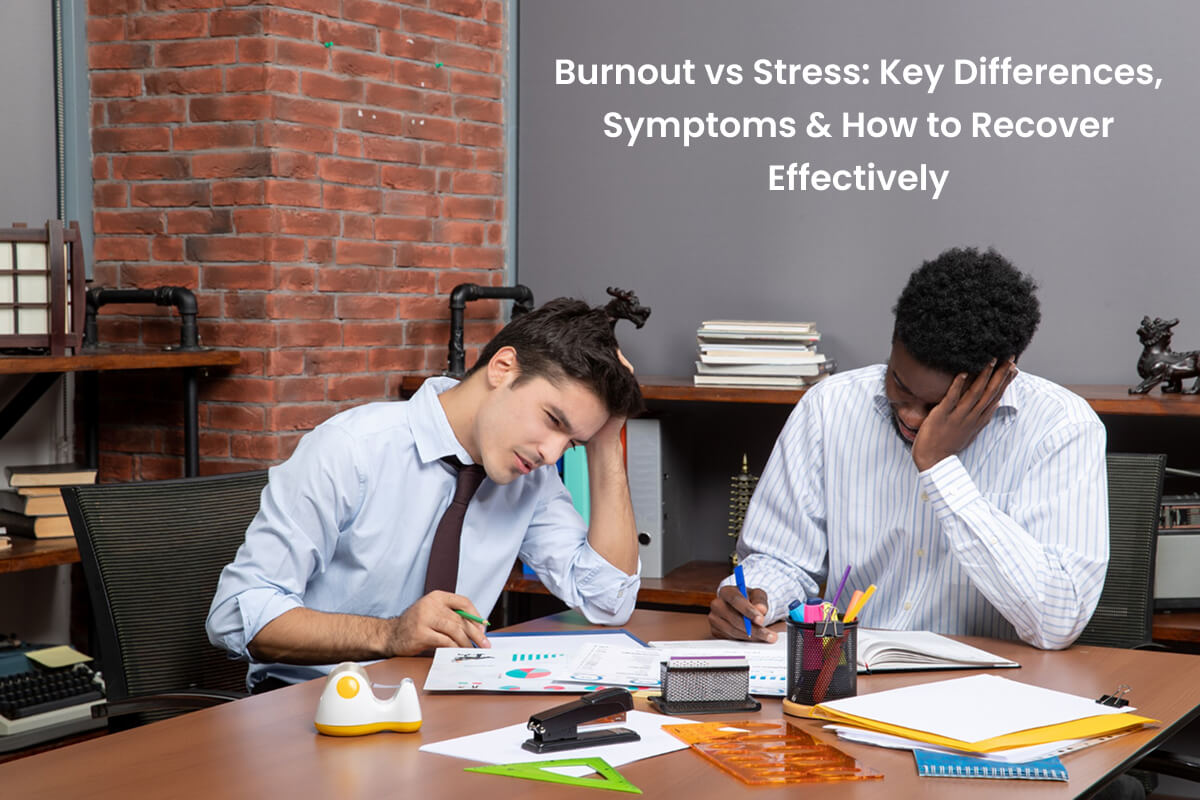
What Is Stress and What Is Burnout?
In today’s fast-paced world people find themselves continuously working to meet their work obligations and their personal responsibilities and their self-imposed standards. The unending speed of life creates overwhelming conditions which exhaust people. People use the terms “stress” and “burnout” to describe identical conditions although the two words actually define separate mental states.
Definition of Stress
The body reacts to stress through its natural mechanism which responds to challenging situations and demanding situations. The condition lasts for a brief period which enables certain people to achieve better results and complete their work before deadlines.
Definition of Burnout
Burnout is a condition that produces total physical and emotional and mental exhaustion because of extended dangerous stress. The condition develops when people do not handle their stress correctly over an extended period.
Key Characteristics of Stress
People experience three main feelings which include anxiety and exhaustion and the sensation of being under pressure as a result of stress. You can still maintain hope and motivation while proving your capacity to manage all tasks.
Key Characteristics of Burnout
Burnout produces four key symptoms which include permanent exhaustion and the loss of all driving force and complete emotional separation plus the feeling of being powerless. The condition makes basic activities become too challenging to manage.
Why People Confuse the Two
People experience confusion between stress and burnout because both conditions create an experience of total exhaustion. The body can handle stress as a temporary condition while burnout creates a permanent condition that lasts longer.
Burnout vs Stress: Key Differences Explained
Your mind and body experience two distinct effects from stress and burnout which create similar initial sensations. The ability to understand these two conditions differs between you and the need to respond to emergencies which you currently experience
Difference in Energy Levels
Your body activates “action mode” during times of stress which provides you with temporary energy to handle immediate responsibilities. Burnout results in Total Energy Loss which leaves you in a state of complete physical and mental exhaustion.
Emotional and Mental Impact
People experience stress through their continuous state of worry which transforms into pressure that leads to feeling overwhelmed. Burnout creates a heavier emotional experience which results in people becoming emotionally numb and losing their ability to connect with others as well as their former interests.
Duration and Severity
People experience stress through temporary episodes that occur during particular events such as their work deadline or their most difficult task. Burnout develops through a gradual process which produces long-lasting psychological effects that are difficult to overcome.
Motivation vs Exhaustion
People with stress can maintain their drive to work through challenges, but burnout makes it hard to complete even basic responsibilities.
Ability to Recover
Stressful situations improve through short breaks and rest, but people need extended periods of rest from burnout because it requires them to implement major changes in their daily habits.
Comparison Table
| Factor | Stress | Burnout |
|---|---|---|
| Energy | Overactive | Exhausted |
| Emotion | Anxiety | Detachment |
| Duration | Short-term | Long-term |
| Recovery | Easier | Difficult |
| Impact | Manageable | Severe |
Common Symptoms of Stress
Stress develops through gradual body and mind signals which begin with minor physical and mental indicators of an unusual condition. Your daily life will experience less disruption when you learn to recognize stress signs before they start to show themselves.
Irritability and mood swings – You might find yourself snapping at small things or reacting more emotionally than usual,even in situations that normally wouldn’t bother you.
Difficulty concentrating – The process of maintaining concentration becomes challenging because your thought processes start to wander when you attempt to complete tasks.
Muscle tension and headaches – The body stores stress as physical tension which causes muscles to tighten, especially in the neck and shoulders, and results in recurring headaches.
Sleep disturbances – People experience difficulties falling asleep and wakefulness during the night which leads to daytime fatigue.
Increased heart rate – The heart increases its beating speed during stress situations which creates feelings of restlessness in your body.
Common Symptoms of Burnout
People develop burnout through many days of continuous stress which they experience without adequate time for recovery. The condition develops into a state which makes people feel exhausted and disconnected from their professional and personal activities.
Chronic fatigue and exhaustion – You experience continuous fatigue which persists despite your attempts to rest.
Lack of motivation – You find it difficult to begin or finish any work tasks which you need to complete.
Emotional numbness – You experience difficulties with emotional connection which makes you feel distant from your own feelings.
Reduced performance – Your capacity to work and concentrate on tasks begins to diminish.
Feeling disconnected – You experience a sense of separation from your workplace and relationships and from things that used to matter to you.
Causes of Stress and Burnout in Modern Life
The present world demands excessive effort from people which leads to increased stress and burnout because they have to face multiple pressures throughout their daily routines. The mental and physical health of people starts to decline when multiple pressures continue to increase without providing proper rest and necessary support.
Workplace Pressure and Deadlines
Work demands which include short deadline requirements and extensive workload expectations together with ongoing performance requirements create a situation where you experience continuous work-related stress. Your capacity to work and maintain concentration will decrease after you experience this condition for an extended period.
Lack of Work-Life Balance
Work begins to dominate your life when it begins to take over your time which makes it impossible for you to find peace and restore your energy which results in permanent fatigue. The absence of sleep combined with missing out on hobbies and personal time leads to gradual energy depletion.
Financial and Personal Responsibilities
The process of handling your budget together with your family responsibilities and personal obligations creates persistent stress which seems impossible to manage. The requirement to maintain control over all tasks creates a situation where you experience both mental fatigue and emotional distress.
Digital Overload and Constant Connectivity
The need for continuous phone and email and social media access prevents people from achieving mental rest because their brain remains active at all times. The absence of mental rest periods leads to increased stress levels which disrupt your ability to sleep.
Lack of Social Support
The absence of a trustworthy person to discuss problems with during difficult times creates an environment where stress becomes more severe and leads to social separation. The absence of backing makes all minor issues appear to be major problems that require urgent attention.
Stages of Burnout: From Stress to Exhaustion
Burnout develops through gradual progression which takes time to reach its final state. The process starts with strong energy and motivation, but it leads to permanent fatigue because of insufficient balance between work and personal life.
Honeymoon Phase (High Motivation)
At this stage, you feel excited to work on your goals with complete dedication to your tasks. You may take on more responsibilities, which leads you to overlook the first signs that your body needs rest
Onset of Stress
The first signs of stress start to show through three symptoms which include irritability and anxiety and difficulty focusing. You might start feeling pressure but still try to push through it.
Chronic Stress Stage
You experience more frequent and intense stress which creates a feeling of permanent overwhelm. Fatigue and frustration together with reduced productivity create a pattern which you experience throughout your entire day.
Burnout Stage
Exhaustion now controls your entire mental and physical state. You experience feelings of detachment and lack of motivation which make simple tasks become difficult for you to complete.
Habitual Burnout
Your state of burnout has become permanent which impacts both your mental health and your life perspective. If untreated this condition can result in emotional and mental and physical health problems which last for a long time.
How Stress and Burnout Affect Mental and Physical Health
Stress and burnout create more than emotional effects because they produce total body and mental effects which last for an extended period. The effects of these two conditions start to disrupt your ability to function normally at work and home and your relationships and your complete life experience.
Impact on Mental Health (Anxiety, Depression)
The ongoing stress leads to permanent anxiety. The condition of burnout creates permanent emptiness which develops into sadness. The situation develops into a higher possibility of developing depression through emotional disturbance which lasts for a longer period.
Physical Symptoms and Fatigue
The condition causes you to suffer from headaches which produce body discomfort and create extreme fatigue. The condition of burnout causes you to experience complete exhaustion which persists through the period of your recovery.
Hormonal Imbalance and Sleep Issues
The body experiences stress-related difficulties because people experience stress for extended periods. The condition produces mood fluctuations together with decreased energy levels and sleep disturbances which result in difficulty falling asleep and frequent awakenings and ongoing tiredness despite getting a complete night of sleep.
Impact on Productivity and Performance
The ability to concentrate and work effectively decreases because of both burnout and stress. You may find it difficult to think clearly, come up with new ideas, or finish tasks on time, and even simple work can start to feel more demanding than usual.
Long-Term Health Risks
Long-term stress together with burnout leads to dangerous health conditions which include heart disease and weakened immunity and chronic fatigue.
Diagnosis and Self-Assessment
The assessment requires you to take time for self-reflection to identify your current emotional condition. Your answers need to be accurate but they should not meet standards because they will show your current situation.
Self-Assessment Questions
Ask yourself simple questions like: Do I feel constantly tired? Am I losing interest in things I used to enjoy? Do I feel overwhelmed most of the time? Your answers can help you spot early warning signs.
Behavioral and Emotional Indicators
You should begin to observe your daily mood and behavior changes as they occur through the day. If you experience increased irritability which leads you to withdraw from others and you find it hard to concentrate while feeling emotionally exhausted then these symptoms indicate that you need to address underlying issues which require your immediate attention.
Role of Professional Diagnosis
You should reach out for professional assistance when your emotional distress persists or becomes more intense. Your doctor or mental health professional will give you better support through their understanding of your condition.
Stress vs Burnout Checklist
People experience stress when they deal with excessive demands that still allow them to maintain some level of concentration. People experience burnout when they reach total physical and mental depletion together with emotional disconnection. The comparison of your symptoms will assist you in understanding your current condition.
When to Take Symptoms Seriously
You should treat your symptoms as serious problems when they disrupt your daily activities and professional responsibilities and sleep patterns and social connections. Ignoring these signs can make the situation worse over time.
How to Recover from Stress
People who experience stress need to change their life by making major changes. Your daily routine modifications combined with your relaxation periods will help you achieve mental and physical equilibrium.
Time Management Techniques
The process of task organization together with realistic goal establishment leads to decreased pressure. The process of breaking work into smaller tasks enables workers to complete their responsibilities through smaller tasks which they can control.
Relaxation and Breathing Exercises
People can achieve mind peace through deep breathing and meditation. Daily practice of deep breathing for two minutes enables you to gain better control of your life.
Physical Activity and Movement
People can decrease their built-up stress through regular walking and light exercise. The activity boosts mood while it also enhances your general energy state.
Social Support and Communication
The act of speaking with a trustworthy person provides relief from emotional distress. When you express your thoughts through sharing them you experience an emotional release which brings you greater emotional support.
Short Breaks and Recovery Time
The practice of taking short breaks throughout the day enables your brain to refresh itself. Taking proper rest enables you to approach your work with improved mental focus together with better mental clarity.
How to Recover from Burnout
Taking Extended Rest and Recovery
Your body needs adequate recovery time because your mind requires the same period for its own restoration. Your energy will improve when you take breaks and reduce your activities.
Setting Boundaries at Work
You must understand your personal boundaries because this knowledge enables you to refuse requests which exceed those limits. Your time and energy protection requires you to establish specific boundaries which help prevent your continuous states of exhaustion and overwhelm.
Rebuilding Motivation and Purpose
Begin your journey by implementing minor straightforward actions which lead to activities that bring you happiness and help you discover your life purpose. Your little efforts will eventually help you reach your objectives because they will restore your ability to work towards your goals.
Seeking Professional Help
Therapists and counselors provide essential support when individuals experience burnout which they cannot control. The structured recovery process benefits from professional guidance.
Gradual Return to Routine
You should not attempt to complete your entire work responsibilities after your initial return. You should progress through your daily activities at a gradual pace which allows you to embrace new challenges without becoming overwhelmed
Preventing Stress and Burnout Long-Term
Building Healthy Work Habits
The establishment of structured daily activities enables you to maintain proper order while decreasing the tension that comes from unexpected situations. The combination of work priority assessment, brief rest periods and achievable objectives leads to better work output and improved cognitive performance.
Maintaining Work-Life Balance
You need to dedicate time for activities which bring you relaxation and help you restore your energy. A proper equilibrium between family time and personal interests and relaxation time helps people maintain their energy throughout the day.
Regular Mental Health Check-ins
Establishing Mental Health Evaluation Schedule The evaluation process requires your current emotional state to be assessed through a five-minute period of self-reflection. Early stress detection through their stress detection ability enables them to take preventive action which will help them handle stress before it develops into critical problems.
Practicing Mindfulness
Breathing exercises and meditation and mindfulness help you achieve mental tranquility. Daily practice of even small activities helps people enhance their ability to concentrate while achieving better emotional control.
Developing Resilience
The process of building resilience requires individuals to develop methods for managing difficulties without experiencing breakdown. Your stress management skills will develop throughout your existence when you maintain a positive attitude and learn from your mistakes.
Workplace Strategies to Reduce Burnout
The work environment creates burnout because it exists as a collective problem which affects multiple employees. Organizations that provide their employees with direct support create an environment which promotes employee health and productivity while making employees feel respected and driven to work.
The development of a positive organizational culture together with proper employee support systems will enable companies to decrease employee stress while maintaining their high performance standards.
Creating Supportive Work Culture
The workplace environment which enables employees to work together with respect through open dialogue needs to create safe spaces for their work. People can manage their stress better because they can speak about their concerns without fearing judgment from others.
Flexible Work Policies
Employees can achieve better personal and professional balance through flexible work arrangements which include remote work and flexible hours. Employees experience reduced work pressure which results in higher job satisfaction.
Employee Wellness Programs
The company demonstrates its commitment to employee health through its wellness programs which offer access to fitness classes and counseling services and stress management training. The programs enable people to maintain good mental and physical health.
Clear Communication and Expectations
When organizations define their role requirements through clear goal-setting procedures, employees achieve better performance results because they understand their work responsibilities. Organizations create trustworthy environments through their assessment methods and open communication practices which help to decrease employee tension.
Recognition and Reward Systems
Employee recognition through their work and achievements creates positive energy which drives employees to perform better. Employees develop a sense of value and work commitment through both basic appreciation and formal reward programs.
Role of Lifestyle in Managing Stress and Burnout
Our stress responses depend heavily on the lifestyle choices we make. People who maintain unbalanced daily routines which include sleep deprivation and poor dietary choices and excessive screen time face increased risks of mental and physical exhaustion. The introduction of positive daily changes creates a pathway to energy restoration and enhanced well-being.
Importance of Sleep and Rest
Quality sleep functions as the essential requirement which supports both mental and physical recovery processes. The process of restful sleep enables people to achieve better mood performance and concentration capacity and their ability to handle stress.
Balanced Nutrition
Your food choices determine the way your body will experience various feelings. Consuming a diet that includes whole foods and fruits and vegetables exhibits positive effects on your body strength which enables better stress management.
Physical Fitness
People who engage in regular exercise activities which include walking experience decreased stress hormones and improved mood. Physical activity enables individuals to achieve better health results while experiencing higher energy levels.
Reducing Screen Time
Excessive screen time causes mental fatigue and sleep problems. People who take breaks from their electronic devices and set usage limits can achieve better stress control and improved concentration abilities.
Practicing Self-Care
Self-care requires people to spend time alone which they can use for activities like relaxation or pursuing their interests or time spent in complete stillness. These moments provide mental rest which helps you stay refreshed and maintains your ability to work without exhaustion.
When to Seek Professional Help
The management of stress and burnout requires lifestyle changes and self-care until the need for professional assistance arises. The ongoing symptoms which you choose to ignore will develop into more serious problems which will impact your mental well-being and your ability to live a fulfilling life. The process of recovery starts with learning how to recognize appropriate moments for requesting assistance. The path to recovery can be established through professional assistance which offers essential resources for your healing process.
Persistent fatigue or emotional exhaustion
If you feel constantly drained, even after rest, it may be a sign that your body and mind need deeper support.
Symptoms which disrupt daily activities
The need for professional assistance becomes evident when stress begins to impact your work performance and your personal relationships and your daily life activities.
Signs of depression or anxiety
People who experience continuous feelings of sadness and hopelessness and worry and panic should seek medical assistance.
Loss of interest in work or life
It is essential to seek help when you start to lose interest in activities which used to bring you joy and when you begin to feel detached from your environment.
Patients who struggle to manage their mental health conditions need professional assistance when self-care methods and healthy practices fail to produce results.
FAQs About Burnout vs Stress
People stress burnout differently because they experience these two conditions through different emotional states. The understanding of these two conditions enables you to identify their signs at an early stage which improves your self-care practices.
Q1. What is the main difference between stress and burnout?
The primary distinction between stress and burnout requires understanding that stress creates excessive pressure while burnout leads to total emotional exhaustion.
Q2. Can stress turn into burnout?
Yes, burnout develops through continuous stress which occurs without any interruptions or necessary assistance.
Q3. How long does burnout recovery take?
The duration of burnout recovery depends on various factors although most cases require several weeks to complete or extend into multiple months.
Q4. Is burnout a medical condition?
Burnout exists as a non-medical condition which can generate mental health problems when people fail to address it for an extended period.
Q5. How can I prevent burnout at work?
Workplace burnout prevention requires you to take breaks while establishing definite work limits and maintaining your workload at a manageable level.
Key Takeaways
Your ability to manage stress and burnout will improve when you learn about their differences. Early signs require your attention because they need your immediate response to stop their progression into more severe conditions.
People experience stress and burnout because both conditions share common elements yet differ in their specific requirements. The intensity of burnout exceeds all other stress-related conditions while its effects continue for an extended period. The process of recovery requires individuals to modify both their daily habits and their mental approach.







Post a Comment